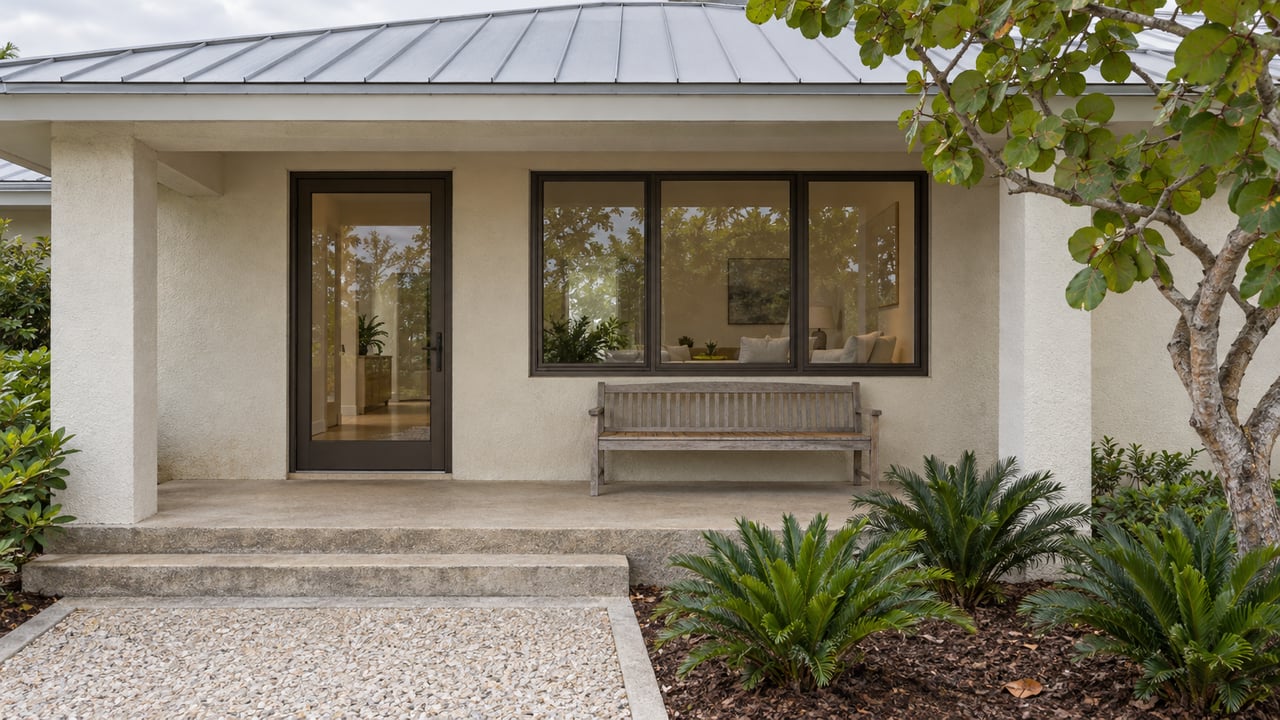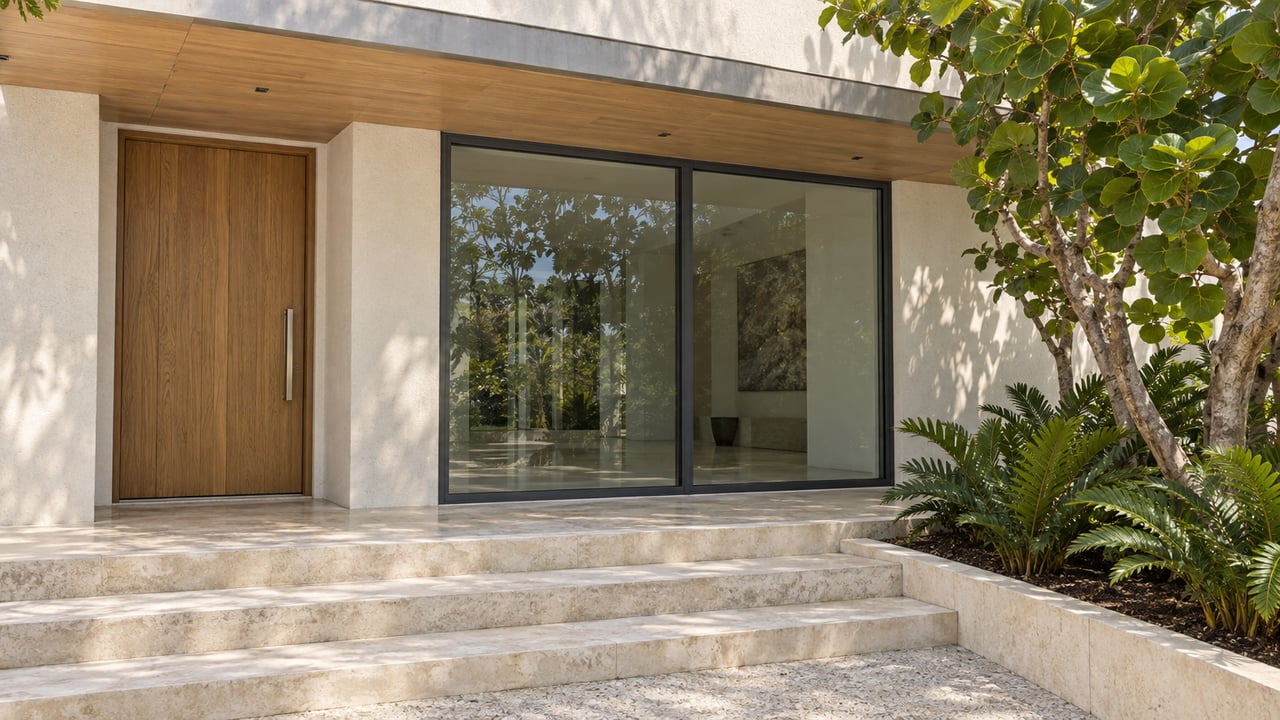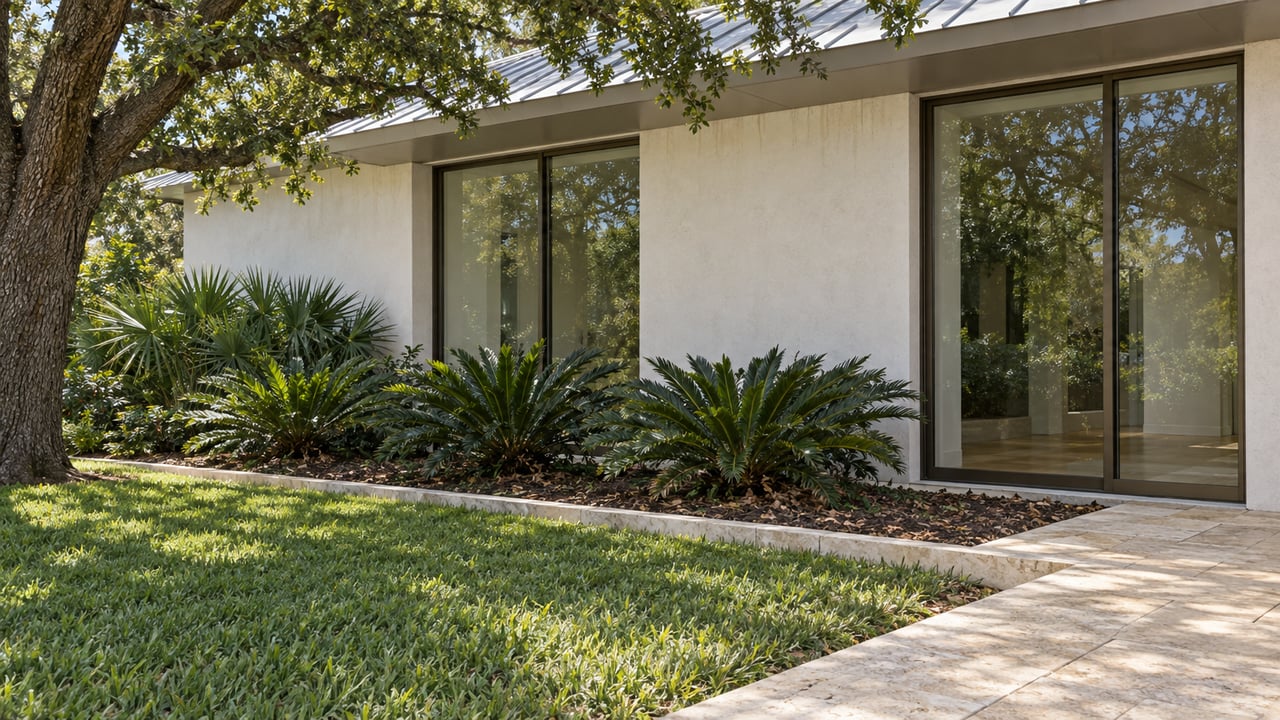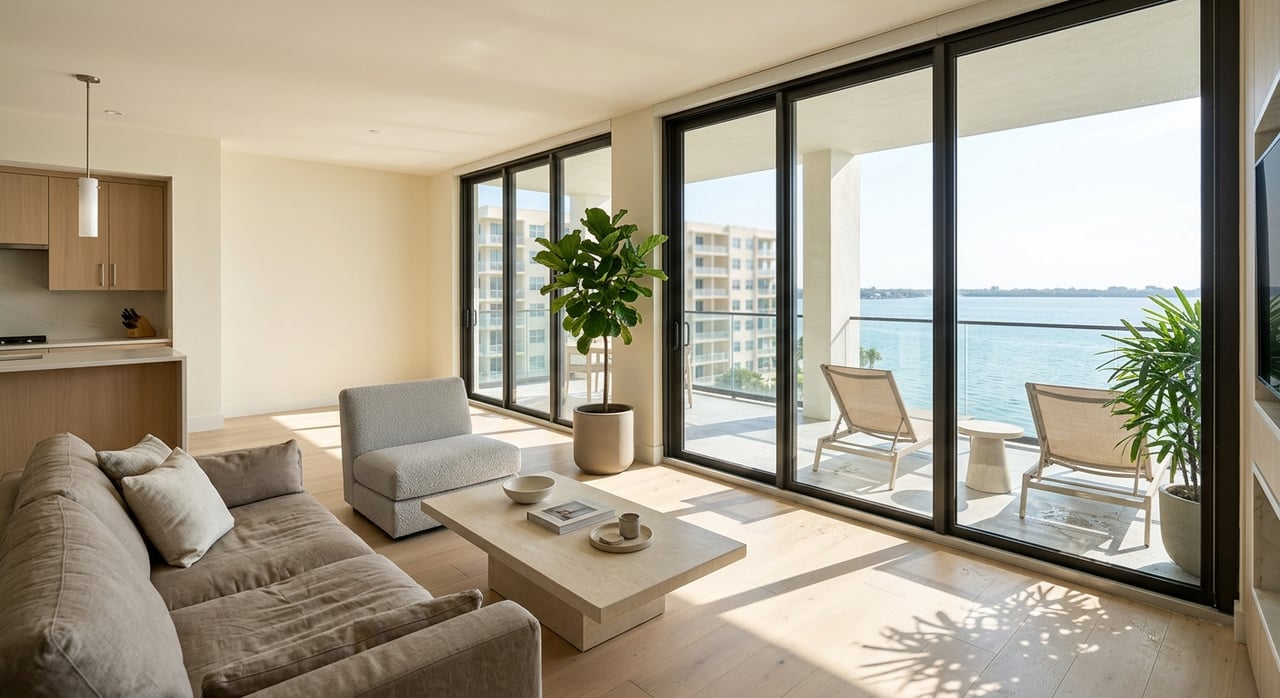
Are you picturing a second home where the water is never far away, the pace feels lighter, and your time there actually feels like a getaway? Longboat Key often fits that vision, but buying here takes more than falling for a view or a floor plan. If you are considering a second home on the island, it helps to understand how property type, location, ownership costs, and condo rules can shape the experience. Let’s dive in.
Why Longboat Key appeals to second-home buyers
Longboat Key offers a distinct coastal setting on a barrier island between the Gulf of Mexico and Sarasota Bay. The town notes that the island spans both Manatee and Sarasota counties, which means the exact parcel location matters when you look at taxes, county services, and emergency contacts.
For many second-home buyers, the appeal is lifestyle paired with convenience. Town amenities include public beach accesses, bay accesses, parks, a kayak launch, and a public tennis center. The island also has a resort-oriented feel, which can be especially attractive if you want a home base that supports seasonal living rather than full-time suburban routines.
Seasonality is part of life here. According to the town, Longboat Key’s population can rise from about 8,000 to more than 24,000 between January and April. That can affect traffic, restaurant availability, vendor scheduling, and how you plan your time on the island during peak season.
If you prefer not to drive for every outing, that matters too. The town’s Breeze OnDemand service serves Lido and Longboat Key, which can be a useful option for owners who want some flexibility in getting around.
Longboat Key pricing and inventory
Longboat Key sits at a premium price point. Zillow data dated April 30, 2026 shows an average home value of $963,904, a median list price of $977,917, and a median sale price of $1,054,167. For second-home buyers, that makes planning and property selection especially important.
Inventory is also shaped by limited land. The town’s planning data indicates that buildable land is constrained, and much of the housing stock was built between 1970 and 1999. In many cases, newer product comes through demolition and replacement rather than broad new expansion.
That matters because scarcity can support long-term appeal, but it also means you may be comparing very different ownership options. A renovated older condo, a newer replacement home, and a club-oriented property can each come with very different costs, rules, and upkeep.
Which property type fits your goals
Longboat Key is heavily weighted toward multifamily housing. The town’s 2024 comprehensive-plan data says about 65.8% of housing units are multifamily, 31.4% are single-family, and 2.8% are mobile homes. Of occupied units, about 57.1% are seasonal and 95% are owner-occupied.
For many buyers, that makes condos a natural starting point. If you want a lower-maintenance second home that is easy to lock and leave, the island’s ownership patterns may align well with that goal.
Single-family homes offer a different kind of flexibility. You may gain more privacy, more outdoor space, or features such as direct water access, but you will also want to plan for more individual responsibility around maintenance, systems, and exterior upkeep.
There is also a distinct niche of amenity-driven ownership. The Resort at Longboat Key Club describes membership options that include 45 holes of championship golf, 20 Har-Tru tennis courts, private beach and pool facilities, and access to a deep-water marina. If golf, tennis, marina access, or club use is part of your second-home vision, it is worth asking whether those benefits are included, optional, or separate from the real estate purchase.
Why parcel location matters
On Longboat Key, location is not just about views or beach access. Because the island sits in both Manatee and Sarasota counties, the county side of a parcel can affect annual tax estimates and local service details.
The town’s FY2026 ad valorem tax page shows different county mill rates on the Manatee and Sarasota sides of the island. Before you make assumptions about ownership costs, confirm exactly where the property sits.
This is one of the details that can be easy to miss when you are buying from out of town. It is also one reason second-home buyers benefit from a very property-specific review rather than a broad island-wide estimate.
Carrying costs to model before you buy
Your second-home budget should go beyond the purchase price. On Longboat Key, carrying costs can include mortgage, property taxes, insurance, utilities, association dues, club fees, and maintenance planning.
The town provides water and wastewater service, and it also handles garbage, recycling, and yard waste through a franchise hauler. In other words, even if you are buying in a condo community, some routine ownership costs may sit outside your monthly association dues.
Taxes deserve extra attention. Florida’s homestead exemption applies to a permanent residence, so a true second home generally does not receive that benefit. That can make the annual tax picture meaningfully different from what you might expect for a primary home.
Insurance is another major line item on a barrier island. The town participates in the National Flood Insurance Program and Community Rating System and provides flood-risk and elevation-certificate lookup tools. Lenders use flood maps to determine insurance requirements and high-risk zones, so flood planning should be part of your budget conversation from the beginning.
Flood risk and coastal planning
Barrier-island ownership comes with coastal considerations that deserve careful review. The town notes that coastal high-hazard construction standards apply, and it provides tools for looking up flood-risk and elevation information.
That means you will want to understand more than whether a home feels close to the water. You should also review flood zone information, elevation details when available, and likely insurance requirements tied to the property.
Longboat Key also runs a beach management plan with periodic nourishment projects in coordination with state and other agencies. That ongoing shoreline work reflects an important reality of coastal ownership here: the waterfront setting is a major draw, and it also requires active long-term management.
Condo due diligence matters on Longboat Key
Because so much of Longboat Key’s housing inventory is multifamily, condo due diligence is especially important for second-home buyers. A low-maintenance lifestyle can be appealing, but the details behind the association can have a big impact on your costs and comfort.
Florida law requires milestone inspections for condominium and cooperative buildings that are three stories or more, generally at 30 years of age and every 10 years after that. The law also allows local enforcement agencies to require earlier inspections in some coastal circumstances.
The law also requires structural integrity reserve studies for qualifying condo buildings and ties reserve funding to the study’s recommendations. For buyers, that means reserve levels, deferred maintenance, and planned repairs are not side issues. They are central to understanding the true financial picture.
Florida law also gives condo purchasers access to key documents, including the declaration, bylaws, financial information, the latest milestone summary if applicable, and the most recent structural integrity reserve study. For many residential unit contracts executed after December 31, 2024, missing required disclosures can make the contract voidable.
Questions to ask before making an offer
A strong second-home purchase starts with clear questions. On Longboat Key, these are some of the most useful ones to ask early:
- Is the property on the Manatee County side or the Sarasota County side of Longboat Key?
- Is it a seasonal condo, a year-round condo, or a single-family home?
- Are golf, tennis, marina, beach, or club memberships mandatory or optional?
- What flood zone, elevation certificate, and insurance costs apply?
- Has the condo completed its milestone inspection and structural integrity reserve study?
- Are there special assessments, major capital projects, or thin reserves?
- What lease, pet, parking, and storage restrictions apply?
- If the building is older, does anything need review under Longboat Key’s Certificate of Built Conditions program?
These questions help you move beyond surface appeal. They can also help you compare two properties that may look similar online but carry very different long-term costs or limitations.
A smart approach to buying your second home
Buying a second home on Longboat Key is often part lifestyle decision and part asset decision. You may be thinking about personal enjoyment now, future resale later, or a mix of both. Either way, the right purchase usually comes from balancing setting, property type, carrying costs, and building or association details.
This is also a market where nuance matters. A beautiful condo with strong reserves and clear disclosures may feel very different from one with pending assessments. A waterfront single-family home may offer a more tailored lifestyle, but with a different maintenance profile than a lock-and-leave residence.
If you want to buy well on Longboat Key, it helps to look past the listing photos and evaluate how the property will actually function for you season after season. That is where calm, local guidance can make the process feel much clearer.
When you are ready to explore Longboat Key with a thoughtful eye toward lifestyle, design, and long-term value, Melissa Gissinger can help you narrow the options and move with confidence.
FAQs
What makes Longboat Key attractive for a second home?
- Longboat Key offers a barrier-island setting, beach and bay access, parks, a public tennis center, and a housing mix with a high share of seasonal, owner-occupied properties that can suit part-time ownership.
Why does the county side of a Longboat Key property matter?
- Longboat Key spans both Manatee and Sarasota counties, and the parcel location can affect tax estimates, county services, and emergency contact information.
Are condos the most common second-home option on Longboat Key?
- Condos are a major part of the market because the town reports that about 65.8% of housing units are multifamily, which often appeals to buyers seeking lower-maintenance seasonal ownership.
What costs should buyers budget for on Longboat Key?
- In addition to mortgage, taxes, and insurance, you should budget for utilities, garbage and recycling service, condo or HOA dues if applicable, club fees where relevant, and ongoing maintenance.
How does flood risk affect a Longboat Key purchase?
- Flood risk can affect insurance requirements and ownership costs, so buyers should review flood zone information, elevation details when available, and lender-related insurance requirements early in the process.
What condo documents should buyers review on Longboat Key?
- Buyers should review the declaration, bylaws, financial information, milestone inspection summary if applicable, structural integrity reserve study, budget, special assessments, and rules covering leasing, pets, parking, and storage.