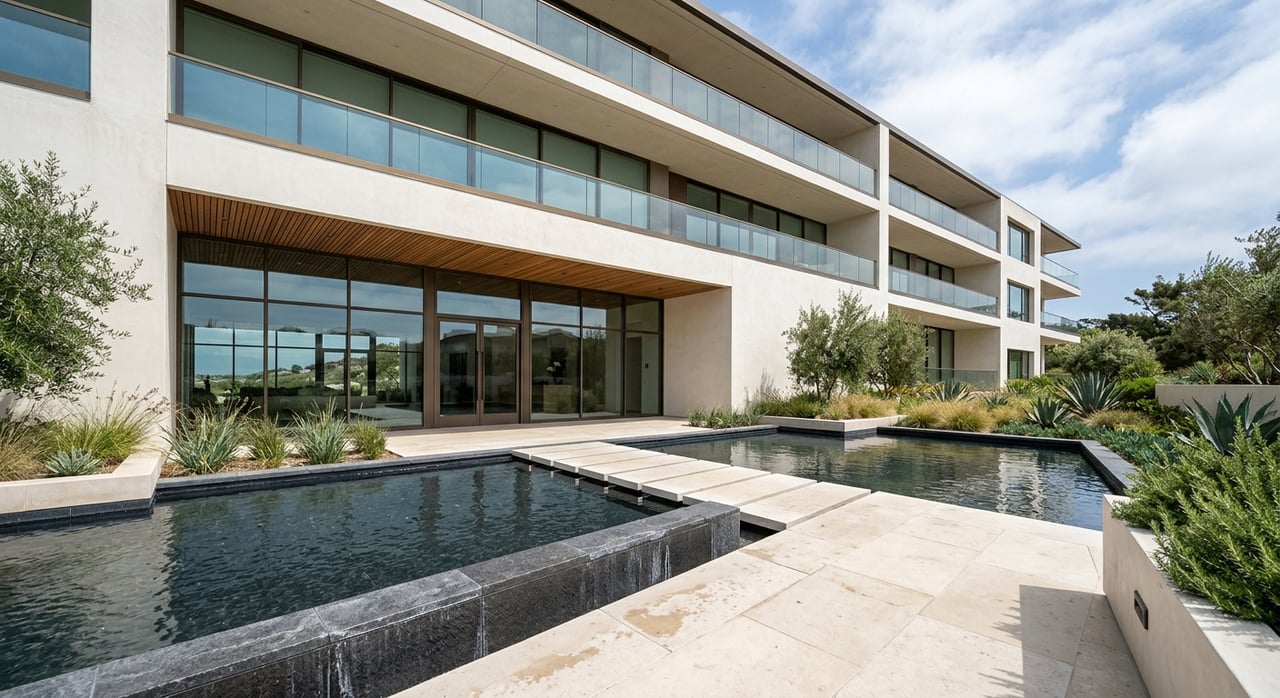
What sounds easier on paper can feel surprisingly hard in real life: should you buy a condo or a home on Lido Key? If you are drawn to the island’s beach access, design appeal, and close connection to St. Armands Circle and downtown Sarasota, the right choice depends less on the address alone and more on how you want to live, maintain, insure, and use the property. This guide will help you weigh the tradeoffs so you can choose with more clarity and confidence. Let’s dive in.
Why Lido Key Feels Different
Lido Key is not a one-note beach neighborhood. The City of Sarasota describes it as a mix of single-family homes, multifamily residences, hotels, resorts, beaches, parks, and conservation lands.
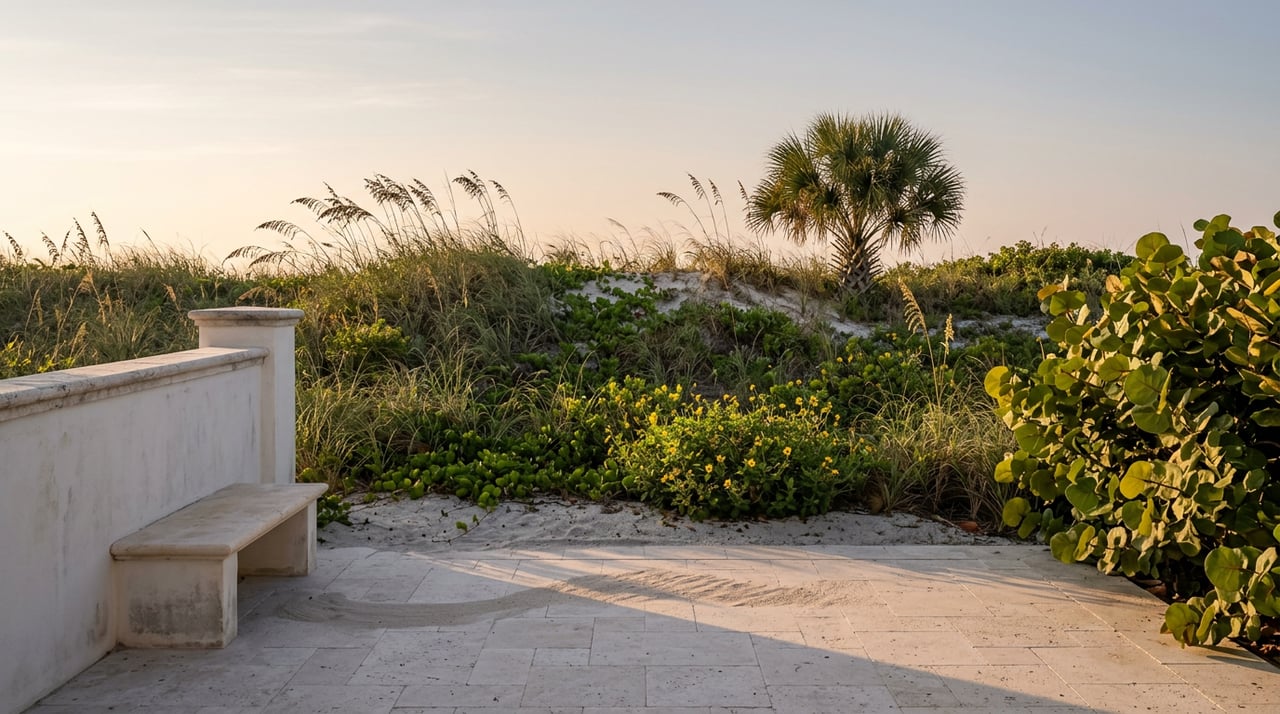
That mix shapes the buying decision in a big way. The city also notes that about 236 of Lido Key’s 307 acres are publicly owned recreation and conservation lands, and it describes Lido Key as the city’s only active beach and dune system.
For many buyers, that means you are choosing more than a floor plan. You are choosing how close you want to be to beach activity, public spaces, changing shoreline conditions, and the island’s blend of private residences and destination amenities.
Lido Key Lifestyle Matters
Lido Key appeals to buyers who want a coastal setting with more than just sand and water. The city describes Lido Beach as a historic area known for Mid-Century Modern architecture, while St. Armands Circle offers more than 130 stores and restaurants.
That creates a lifestyle zone that is unusually easy to enjoy. St. Armands Circle is a short walk from Lido Beach, and the Bay Runner provides complimentary service seven days a week between Lido Key, St. Armands Circle, and downtown Sarasota.
If you picture yourself spending mornings at the beach, afternoons at the Circle, and evenings downtown without relying on your car for every trip, that convenience may push you toward one property type over another.
When a Condo Makes More Sense
A condo often fits buyers who want a simpler, more flexible ownership experience. On Lido Key, that can be especially appealing if you are buying a second home, planning seasonal use, or want a lock-and-leave property near the beach.
Under Florida law, condominium associations are generally responsible for maintaining common elements, except where the declaration assigns certain limited common elements to the unit owner. The association is also responsible for maintenance, repair, and replacement of condominium property it must handle under the governing documents and statute.
That framework can reduce the amount of day-to-day exterior upkeep that falls on you. In practice, many buyers like condos because they can travel more easily without managing as many exterior maintenance tasks themselves.
Still, easier does not always mean simpler financially. Condo ownership usually comes with dues, shared expenses, rule compliance, and the possibility of special assessments.
Questions to Ask About Any Lido Key Condo
Before you focus only on views, finishes, or proximity to the sand, look closely at the building itself.
- What do the monthly dues cover?
- How strong are the reserves?
- Has the building completed the reserve planning now required under Florida law?
- Have there been recent special assessments?
- Are additional assessments being discussed?
- What maintenance responsibilities belong to the association versus the owner?
- Who is responsible for hurricane protection under the declaration?
Florida law allows the condo declaration to assign hurricane-protection responsibility to the association or the unit owner. That means you should not assume every building handles shutters, impact glass, or other exterior openings the same way.
Think in Total Carrying Cost
On Lido Key, purchase price is only part of the picture. Your real monthly cost may also include association dues, reserve funding, flood-related insurance considerations, and any special assessments.
For condo buyers, this is often the deciding factor. A unit that looks appealing at first glance may feel very different once you understand the full carrying cost and the building’s financial structure.
When a Home May Be the Better Fit
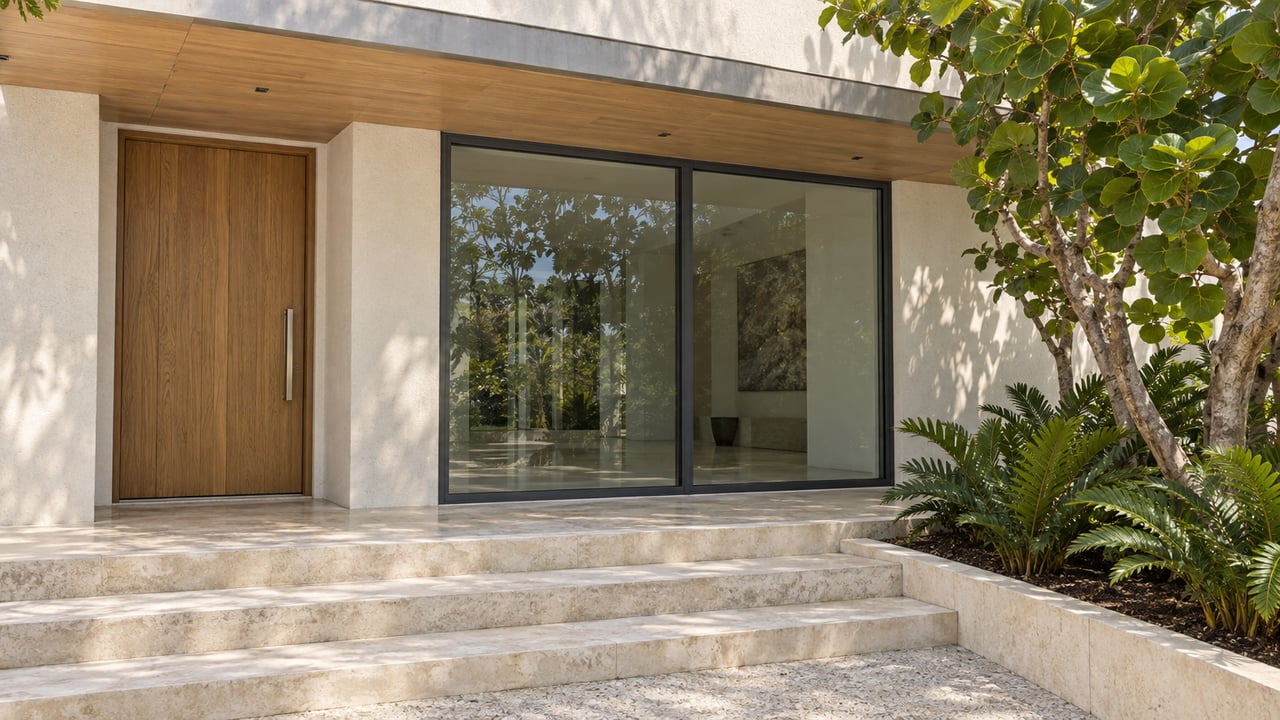
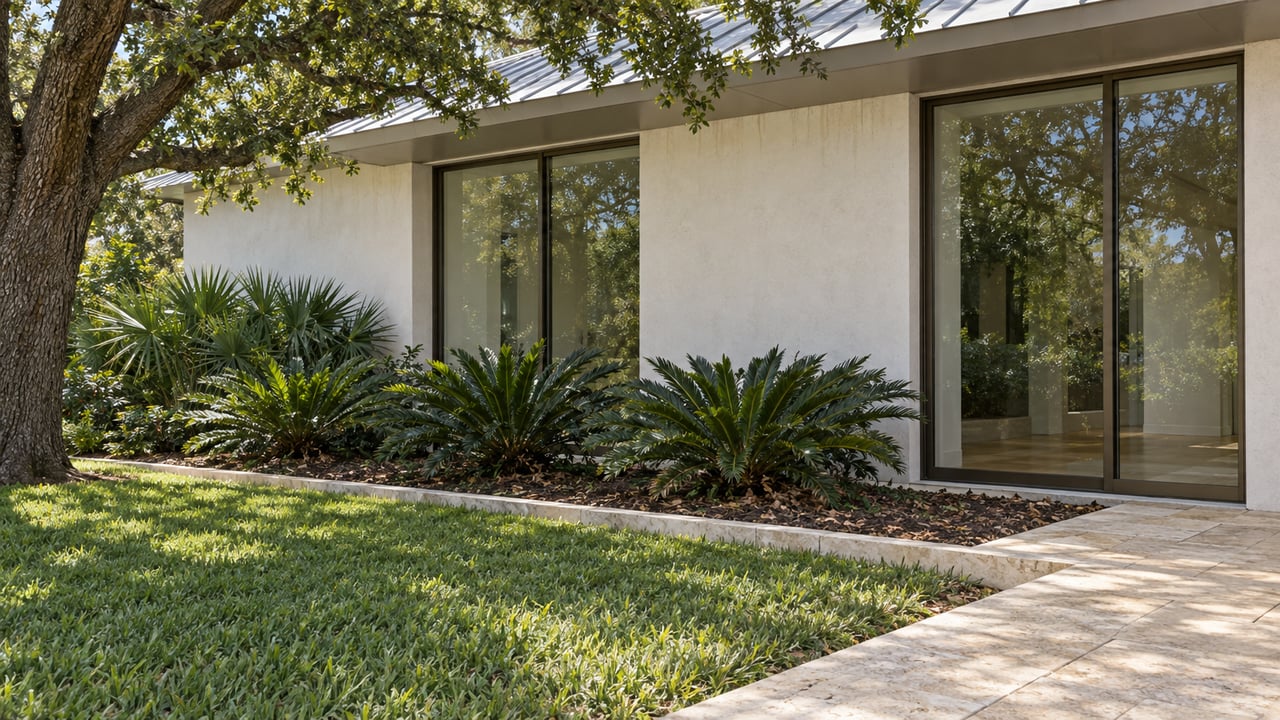
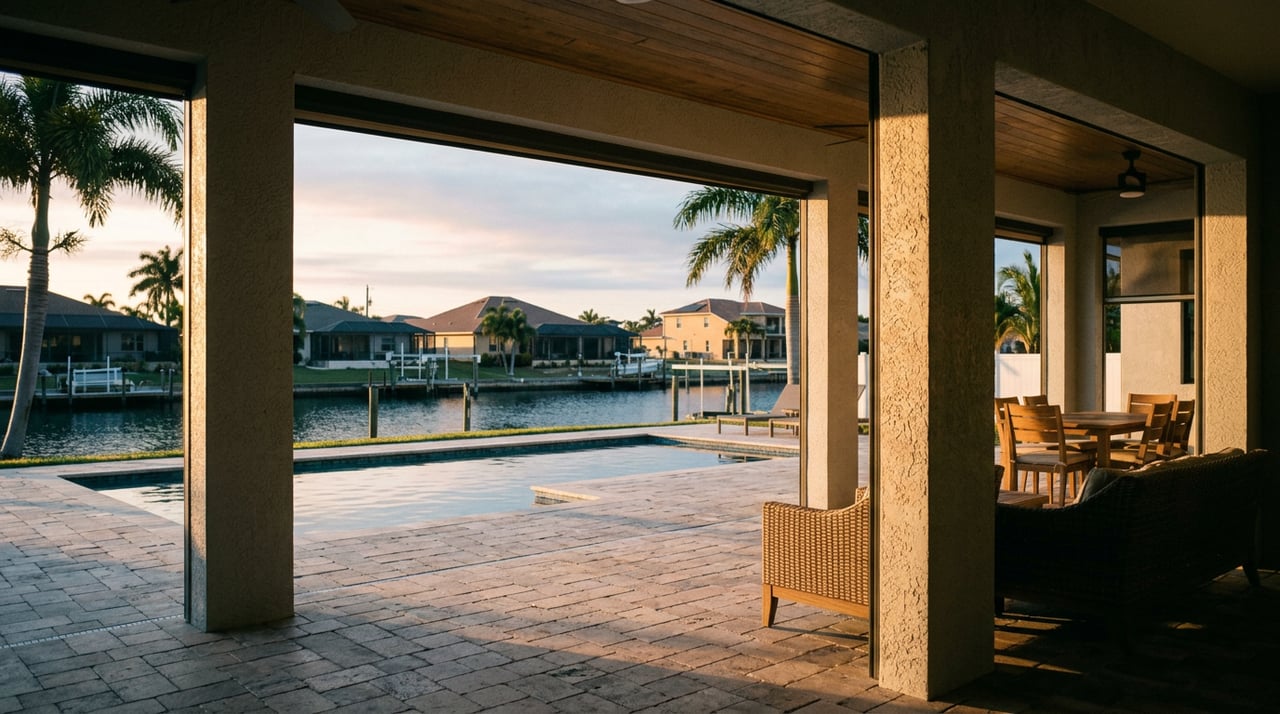
A stand-alone home on Lido Key often appeals to buyers who want more privacy, more control, and more room to shape the property around their lifestyle. If outdoor living, entertaining, pets, or design flexibility sit high on your priority list, a home may feel like the stronger match.
That added freedom usually comes with added responsibility. Compared with condo ownership, a home often leaves more maintenance, storm planning, and property oversight directly in your hands.
On a coastal island, those responsibilities matter. Flood conditions, wind exposure, exterior maintenance, and insurance planning should all be part of your decision.
Street-by-Street Context Is Important
Not every part of Lido Key feels the same. The city planning document notes that the greatest land-use conflict occurs where lower-scale single-family homes meet taller multifamily and resort uses, especially in southern Lido Key.
That is why the island label alone is not enough. A home’s immediate surroundings, nearby building scale, traffic patterns, and relationship to beach and resort activity can shape your day-to-day experience just as much as the home itself.
The Townhouse Middle Ground
Some buyers start with a condo versus home question and then find that a townhouse-style property offers a middle path. That can be true, but the label alone does not tell you enough.
The key issue is maintenance responsibility. The recorded governing documents should clarify what the owner handles, what an association handles, and how exterior items are addressed.
If you like the idea of a lower-maintenance setup but still want a more home-like layout, this category may be worth a closer look. Just be sure you are evaluating the documents, not just the property type description.
Flood and Insurance Should Shape the Choice
On Lido Key, flood and insurance are not side issues. They are central to the decision.
Sarasota County says the current FEMA Flood Insurance Rate Maps became effective on March 27, 2024, and now depict Coastal A Zone and LIMWA areas. The county also says all properties in Sarasota County have some element of flood risk, even if they are outside a mapped high-risk area.
The City of Sarasota notes that standard homeowners insurance does not cover flood damage. It also states that flood insurance is available through the National Flood Insurance Program, and that condominiums are also eligible for flood insurance protection.
For buyers, the practical takeaway is clear: do not ask only whether a property can be insured. Ask how insurance works for that specific property, what flood exposure applies, and how the premium may differ based on property type, building setup, and location.
Shoreline Conditions and Beach Access
Buying on Lido Key also means paying attention to the shoreline itself. The city says the region has experienced 8 inches of sea level rise since 1944, and the Lido Beach renourishment project is active.
Current city and county information estimates beach renourishment to begin in late 2025, with dune construction expected in late 2026. Public beach access is expected to be maintained as feasibly as possible during construction, though some areas may close while sand is being placed.
That does not mean you should avoid the area. It means you should understand how active shoreline work may affect your experience in the near term and why resilience planning is part of the value conversation on Lido Key.
Parking, Walkability, and Daily Ease
Convenience can be a deciding factor, especially if you plan to use the property seasonally or host guests. Lido Key offers more built-in mobility than many buyers expect.
City sources note a public parking facility on St. Armands Key near Lido Beach, and planning documents state that there are more than 500 parking spaces within walking distance of Lido Beach. The Bay Runner also connects Lido Key, St. Armands Circle, and downtown Sarasota.
If you want an easy, walkable beach lifestyle, a condo near the beach and Circle may support that goal especially well. If you want more privacy and do not mind handling more property logistics, a home may still be the better fit.
Rental Use Can Affect the Decision
If you plan to use your property part time and rent it when you are away, local rules deserve a close look. In Sarasota city limits, the city requires a vacation-rental certificate of registration for qualifying one- to four-family dwellings in residential zones used as short-term rentals.
The city also states a minimum stay of 7 full days and 7 full nights for those qualifying dwellings. Condominiums and cooperatives are exempt from that city registration requirement.
That does not mean every condo is automatically flexible for rentals. Building rules still matter. But if rental use is part of your strategy, the difference between city requirements for certain homes and the exemption for condos is important to understand early.
A Simple Way To Decide
If you are still torn, start with how you want ownership to feel.
Choose a condo if you want:
- Lower day-to-day exterior upkeep
- A lock-and-leave setup for seasonal use
- Easy access to Lido Beach, St. Armands Circle, and downtown
- Shared maintenance handled through an association
- A lifestyle centered on convenience and walkability
Choose a home if you want:
- More privacy and control
- Outdoor space for relaxing or entertaining
- More flexibility for design and long-term customization
- A stand-alone property experience
- Comfort taking on more direct maintenance and flood-related planning
The Best Choice Is the One That Fits You
On Lido Key, there is no one-size-fits-all answer. A condo may offer the ease, access, and lock-and-leave convenience you want, while a home may deliver the privacy, outdoor living, and control that make coastal ownership feel more personal.
The smartest decision usually comes from matching the property type to your real habits, not your idealized ones. When you look closely at maintenance, insurance, rental goals, location, and total carrying cost, the right fit tends to become much clearer.
If you want help comparing Lido Key condos and homes through both a lifestyle and value lens, Melissa Gissinger can help you narrow the options and focus on what truly fits.
FAQs
What is the main benefit of buying a condo on Lido Key?
- A condo often appeals to buyers who want a more lock-and-leave ownership style with less hands-on exterior upkeep and strong access to the beach, St. Armands Circle, and downtown Sarasota.
What is the main benefit of buying a home on Lido Key?
- A home may be the better fit if you want more privacy, more outdoor space, and more control over how you use and maintain the property.
What should condo buyers ask about Lido Key association dues?
- You should ask what the dues cover, how reserves are funded, whether special assessments have occurred or may be coming, and which maintenance responsibilities belong to the association versus the owner.
Do Lido Key condos and homes have different flood insurance questions?
- Yes. The City of Sarasota states that standard homeowners insurance does not cover flood damage, and both condos and homes may involve different coverage structures, premium levels, and property-specific flood considerations.
Are Lido Key homes subject to short-term rental rules in Sarasota city limits?
- Yes. The city requires a vacation-rental certificate of registration for qualifying one- to four-family dwellings in residential zones used as short-term rentals, with a minimum stay of 7 full days and 7 full nights.
Are Lido Key condos exempt from Sarasota’s vacation-rental registration requirement?
- Yes. The City of Sarasota says condominiums and cooperatives are exempt from that specific city registration requirement, though individual building rules may still affect rental use.
How important is walkability when choosing between a condo and home on Lido Key?
- It can be very important, because Lido Beach, St. Armands Circle, public parking, and the Bay Runner all contribute to daily convenience and may make certain condo locations especially attractive for seasonal or second-home use.