By Melissa Gissinger
It's easy to think of home equity as something the market hands you. Values rise, the number on your statement grows, and there isn't much to do but wait for it. That's only half the picture, though. The other half is the part you control, and it starts with your next mortgage payment, so here's how I'd approach both sides.
Key Takeaways
- Equity grows from two directions at once: paying down principal and the property gaining value.
- Extra payments applied to principal shorten your loan and reduce total interest.
- Not every improvement adds value, and the ones that do vary by price point and neighborhood.
- I'd start with a current valuation of your home so you know where you actually stand.
What Is Home Equity and How Does It Grow?
Home equity is the difference between what your property is worth and what you still owe on it. That gap widens from two directions at the same time, which is what makes it such an effective way to build wealth.
The first direction is your loan balance coming down. The second is the property itself gaining value, whether from the market or from work you've done to the house.
The first direction is your loan balance coming down. The second is the property itself gaining value, whether from the market or from work you've done to the house.
The Two Sides of the Equation
- Principal paydown — every regular payment retires a little more of the balance, and the share going to principal grows over time.
- Market appreciation — the value the property gains on its own as the surrounding market moves.
- Forced appreciation — the value added by improvements you choose and control.
- Time — the quiet multiplier, since both sides compound the longer you hold.
How Do Extra Payments Speed Things Up?
Additional payments applied directly to principal are the most reliable lever most owners have. Because interest is calculated on the remaining balance, reducing that balance early lowers what you pay over the life of the loan.
The mechanics matter here. Payments need to be designated for principal rather than simply applied to the next month's bill, so it's worth confirming how your servicer handles it.
The mechanics matter here. Payments need to be designated for principal rather than simply applied to the next month's bill, so it's worth confirming how your servicer handles it.
Ways Owners Approach It
- A set amount each month applied to principal, which is the simplest to sustain.
- One extra payment a year, often timed to a bonus or tax refund.
- Rounding up the monthly payment to the next hundred, which is small enough to barely notice.
- A shorter term at refinance, which builds equity faster by design, though it raises the monthly figure.
Your lender is the right person to model these against your specific loan, and I'm happy to make an introduction to one I trust.
Which Improvements Actually Add Value?
The ones that improve how a home lives and how it shows, which is a narrower list than most owners expect. My background is in interior design and rehabilitating investment properties, so this is the part of the conversation I enjoy most.
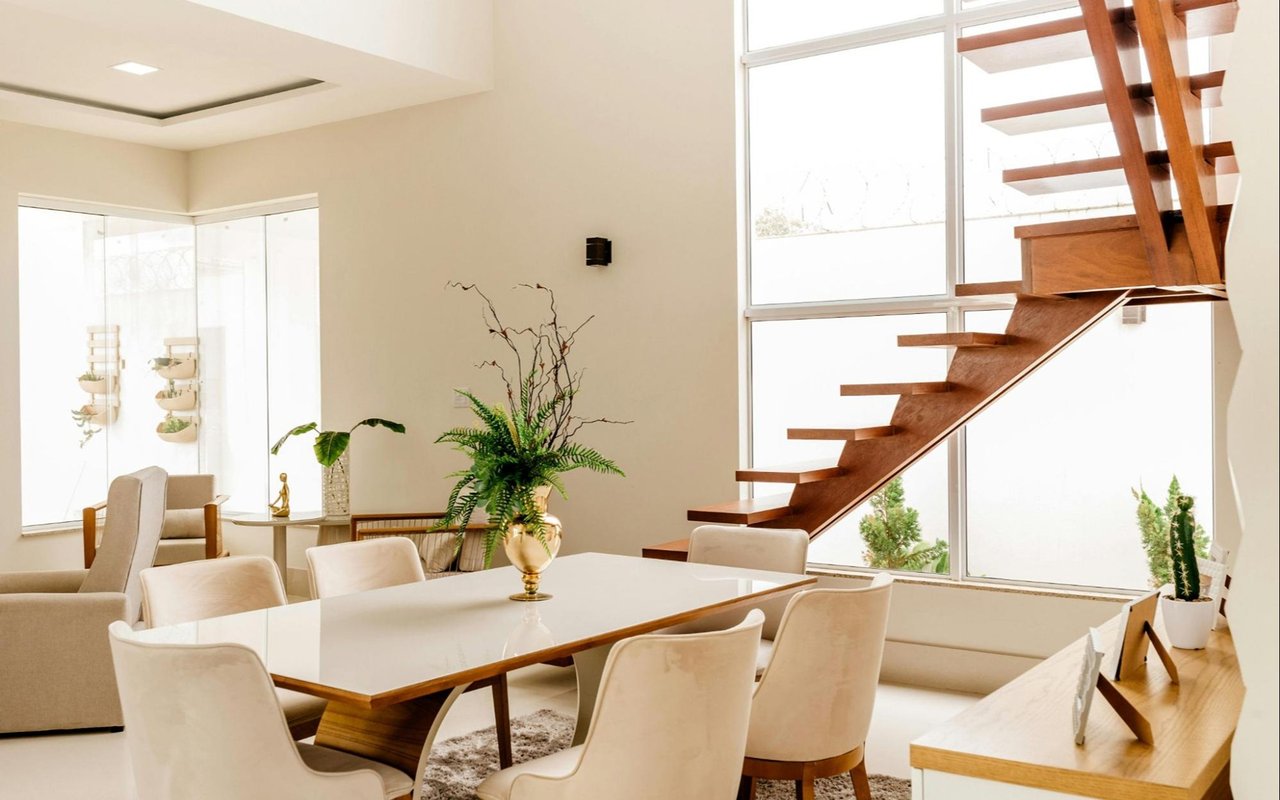
In Sarasota, presentation carries real weight. Light, flow, and outdoor living translate directly into what buyers respond to here, and those are often achievable without a full renovation.
In Sarasota, presentation carries real weight. Light, flow, and outdoor living translate directly into what buyers respond to here, and those are often achievable without a full renovation.
Where I'd Focus First
- Kitchens and baths, refreshed rather than rebuilt — updated finishes and fixtures return more reliably than a full gut.
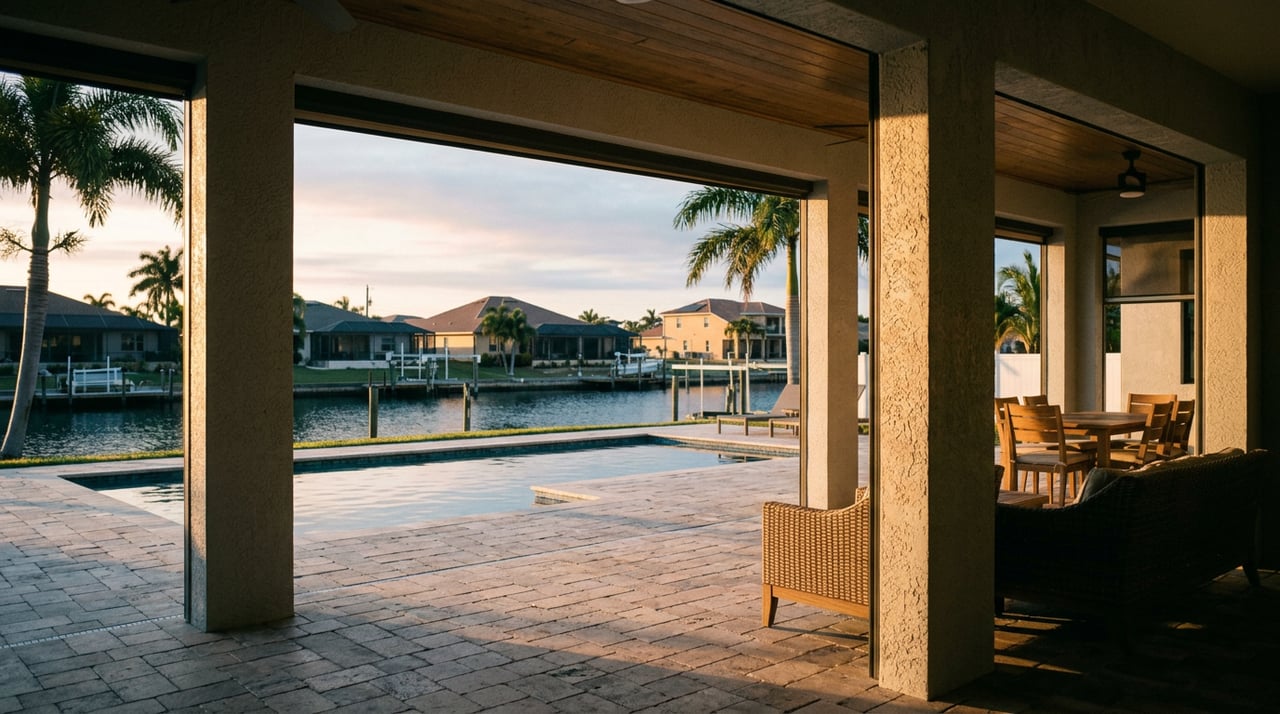
- Outdoor living space — a well-designed lanai, deck, or pool surround extends the usable square footage in this climate.
- Light and flow — opening sightlines and improving natural light changes how a house feels for very little structural work.
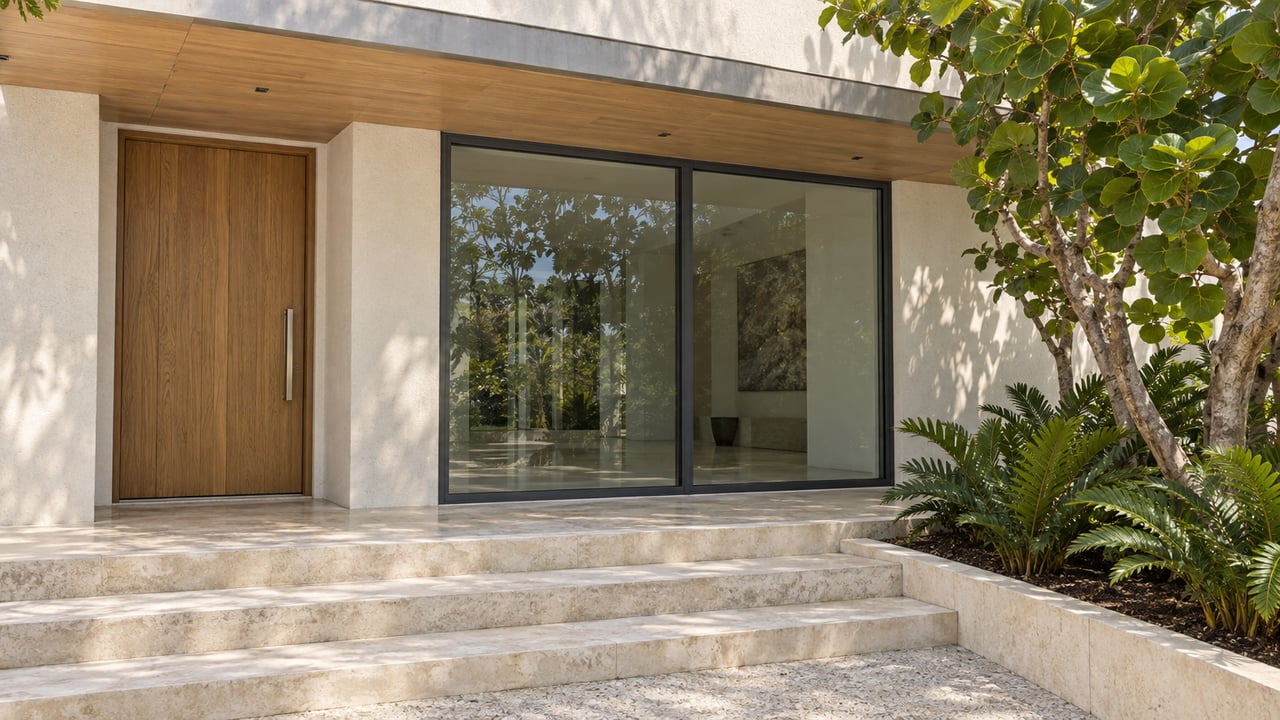
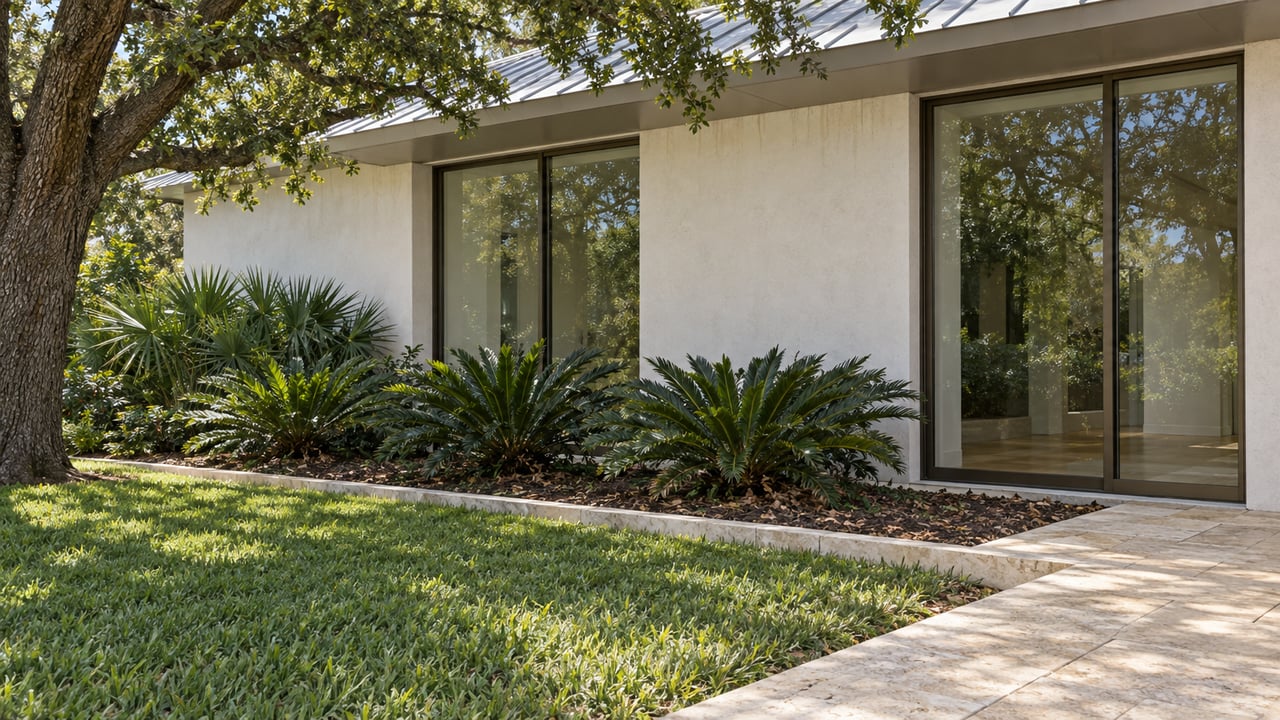
- Curb appeal — landscaping, paint, and the entry are the first things a buyer prices, and they're among the least expensive to address.
How Does the Sarasota Market Factor In?
Location does a great deal of the appreciation work, and Sarasota's waterfront and downtown submarkets each behave differently. A condominium on Longboat Key and a single-family home in South Sarasota respond to different pressures.
Knowing which one you own tells you where to put your effort. Some properties reward improvement spending, and others reward simply holding while the surrounding area does the work.
Knowing which one you own tells you where to put your effort. Some properties reward improvement spending, and others reward simply holding while the surrounding area does the work.
What Shapes Appreciation Locally
- Proximity to water — waterfront and water-view properties hold a durable premium across this market.
- Submarket dynamics — downtown condominiums, key properties, and inland neighborhoods each move on their own rhythm.
- New development nearby — projects in areas like the Rosemary District reshape what surrounding blocks are worth.
- Condition relative to the street — a well-kept home in an improving neighborhood benefits twice over.
Frequently Asked Questions
What's the fastest way to build equity in a home?
Extra payments applied directly to principal are the most dependable lever, since they reduce the balance and the interest calculated on it. Improvements that raise value can accelerate things further when chosen carefully.
Do home improvements always increase equity?
Not automatically, and this is where I'd want to talk before you spend. The projects that return most are usually refreshes rather than full renovations, and the right answer shifts with your price point and neighborhood.
How do I know how much equity I have right now?
Start with an accurate sense of current value. My home valuation tool is a good first look, and I'm glad to prepare a more detailed analysis for your specific property.
Contact Melissa Gissinger Today
Building equity is mostly a series of small, deliberate choices repeated over years, and the earliest ones tend to matter most. Knowing where your home sits today is what makes those choices obvious.
I bring both an investor's eye and a designer's one to these conversations, which is a useful combination when you're deciding where to put money. Reach out to me, Melissa Gissinger, to talk through your property, or start with a home valuation to see where you stand.
I bring both an investor's eye and a designer's one to these conversations, which is a useful combination when you're deciding where to put money. Reach out to me, Melissa Gissinger, to talk through your property, or start with a home valuation to see where you stand.