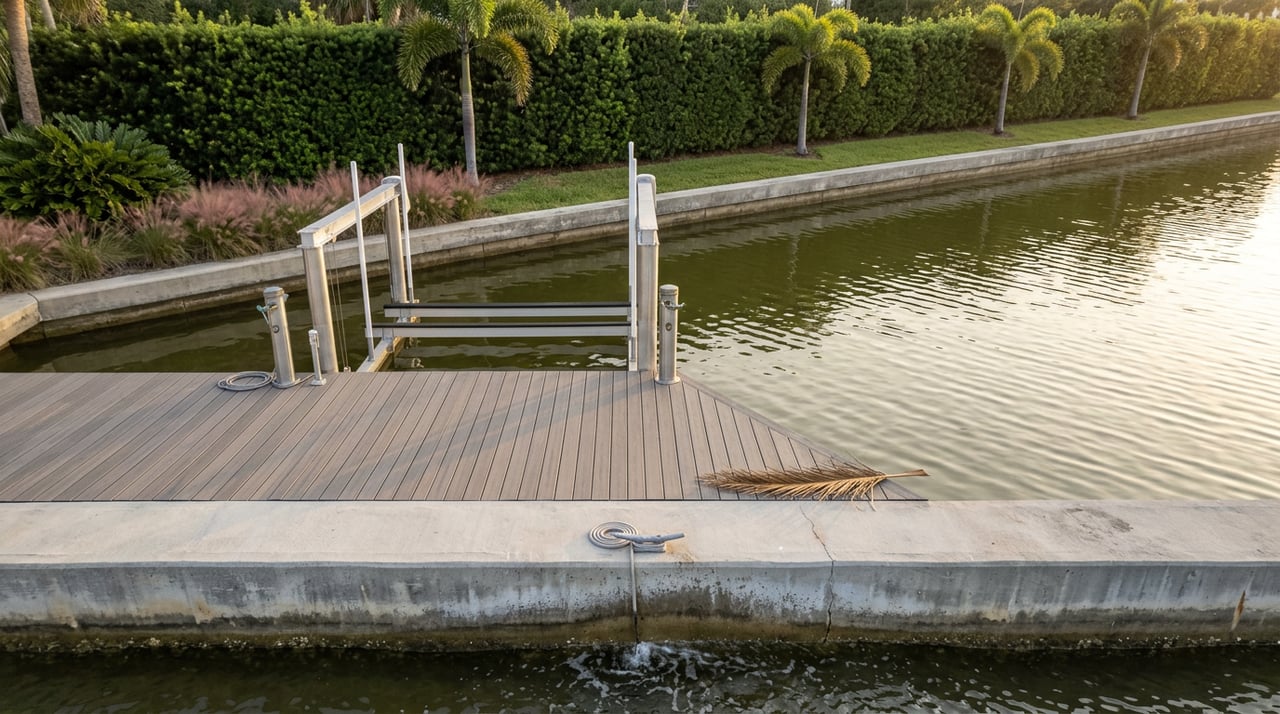
Walk two doors down on almost any street on Bird Key and you can watch a median price fall apart in real time. One lot holds a one-story ranch from the 1960s, sitting at grade, its dock and seawall original to the house. The next lot holds a two-story rebuild on nearly identical square footage, elevated to current flood standards, with floor-to-ceiling glass and a pool deck built for entertaining. The tax records will show two comparable lot sizes in the same zip code. The price tags will differ by several million dollars. Neither seller is wrong, and neither number is a mistake. They are simply not selling the same product, and no median price calculated across both of them will tell you anything useful about either one.
That is the part buyers researching Bird Key on portal sites tend to miss. A single median list price, whatever figure a given snapshot happens to show, gets treated like a benchmark. It isn't one. It's an average of two structurally different trades happening on the same 250 acres.
Same Causeway, Two Products
Bird Key sits just west of the John Ringling Causeway, between downtown Sarasota and St. Armands Key, close enough to St. Armands Circle and Lido Beach that the drive barely counts as a commute. Arvida platted the island in 1959 through dredge-and-fill construction, and the lot count it created has barely moved since. About 500 single-family homes sit on the island today, roughly 300 of them on deep-water canals or directly on Sarasota Bay. That fixed inventory of dirt, more than sixty years old, is the reason the market behaves the way it does.
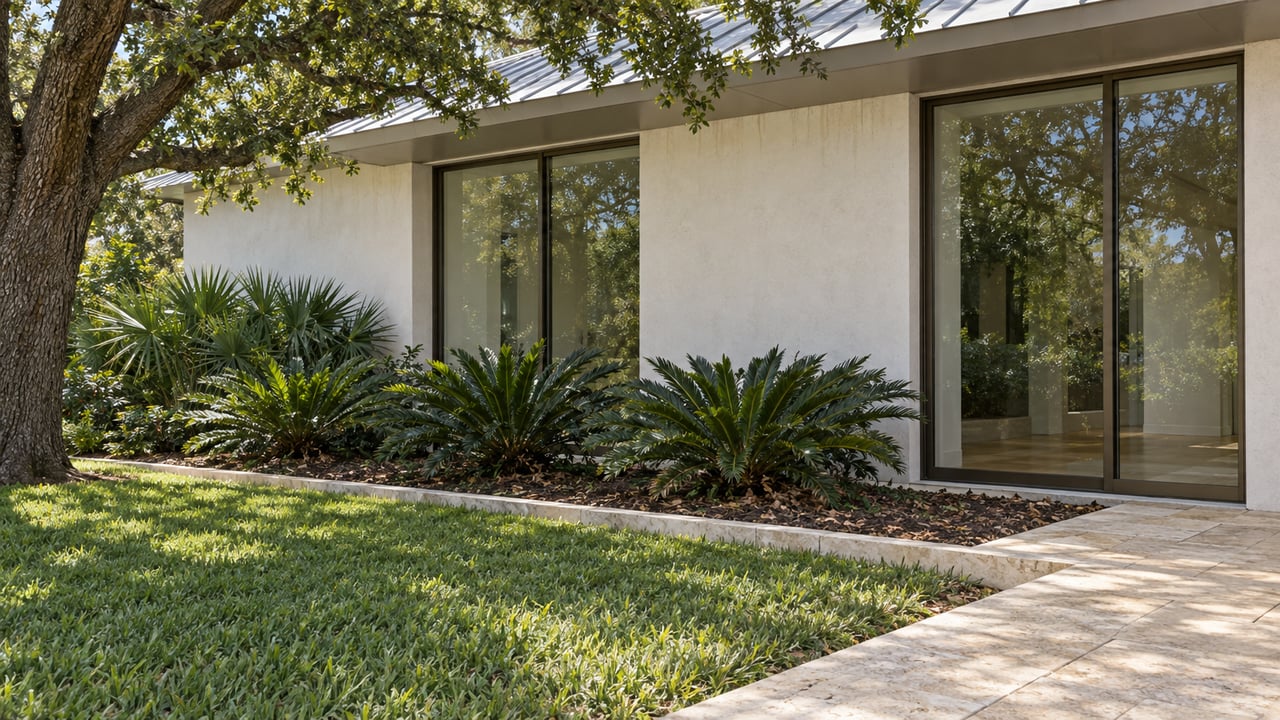
What has changed is what sits on the lots. A meaningful share of Bird Key's original 1960s housing stock has been torn down over the past decade and replaced with new custom construction. The two eras don't compete for the same buyer, and they shouldn't be priced as if they do.
The older stock is mostly one story, sometimes non-elevated, occasionally still carrying a dated dock and seawall that predate current permitting standards. A handful of these homes are architecturally significant in their own right. One current listing is a mid-century home originally designed by Sarasota School of Architecture architect Tim Seibert, since renovated, the kind of structure design-minded buyers seek out specifically for what it is, not for what could replace it. A separate mid-century original at 425 Partridge Circle, designed in the 1960s by architect John M. Crowell, shows the same era's design pedigree sitting untouched next to newer construction.
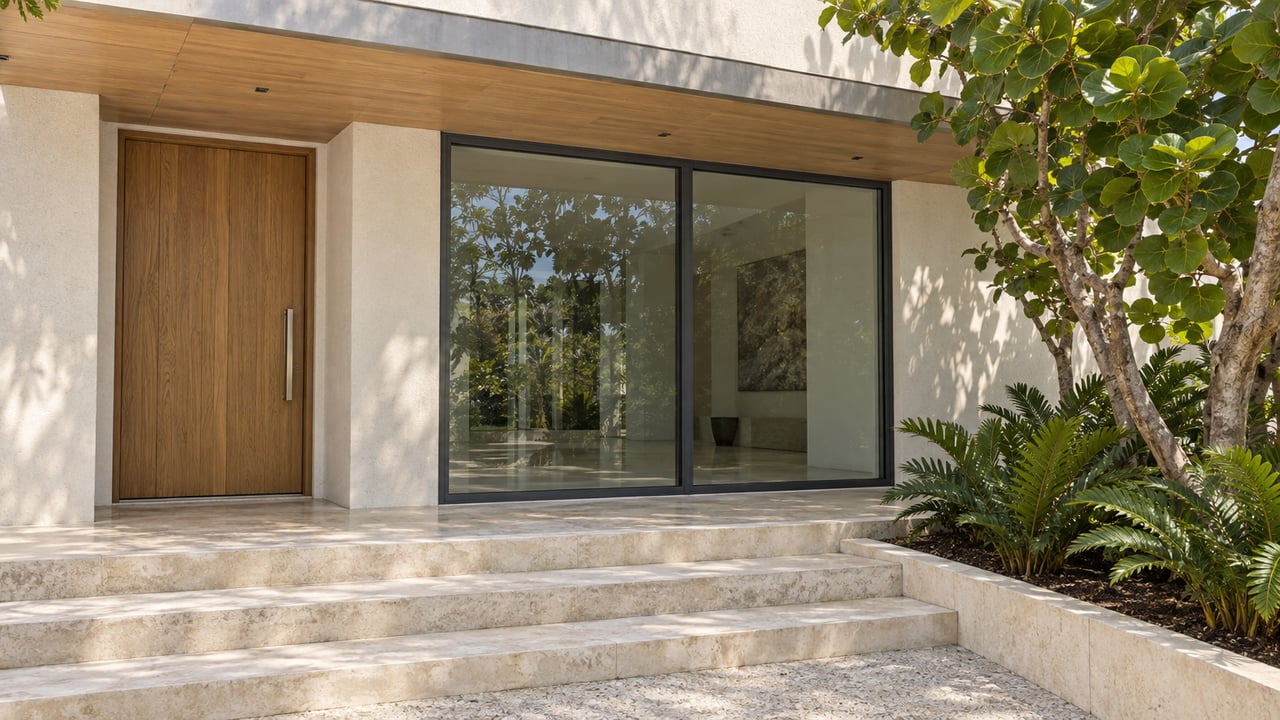
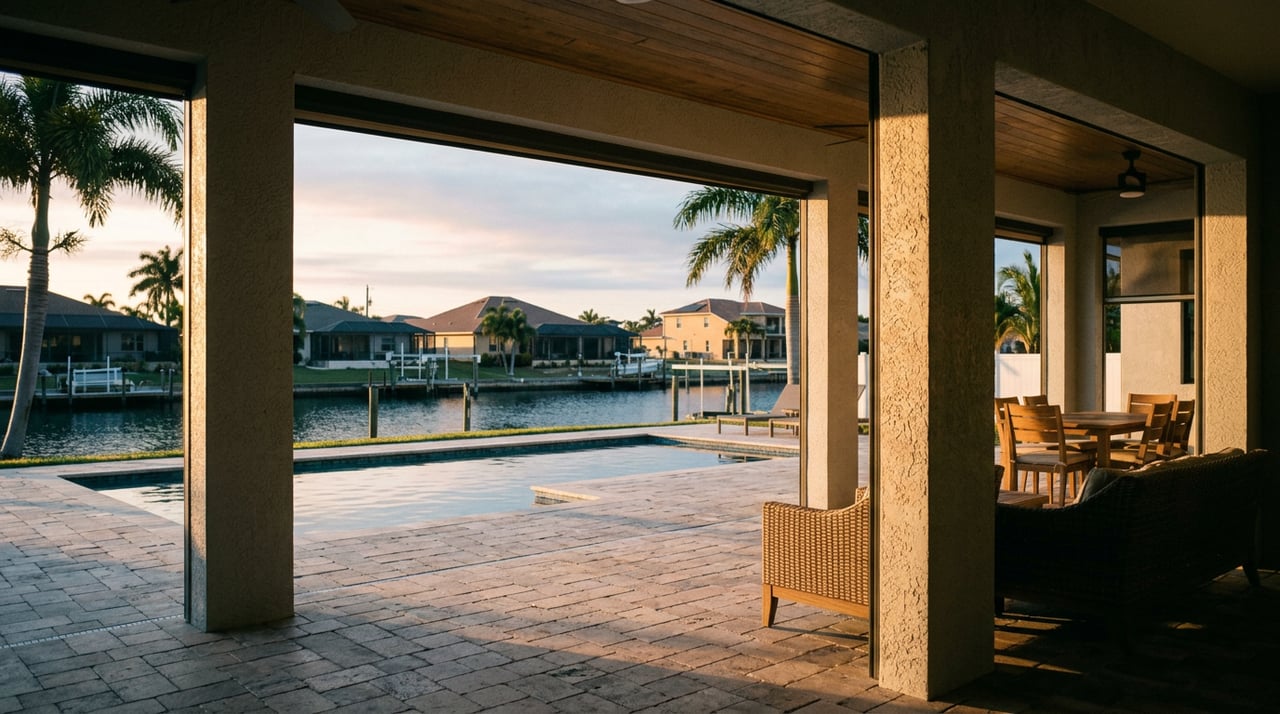
The newer stock looks almost nothing like it. It's typically two stories, elevated to current FEMA standards, built for indoor-outdoor Florida living with resort-style pools and summer kitchens. One recent bayfront listing, designed by architect Cliff Scholz and built by Murray Homes, represents the top end of that category. A full renovation at 465 East Royal Flamingo Drive shows the same logic applied to an existing structure rather than a ground-up rebuild.
Here's how that split plays out in practice, based on portal reads taken at different points across 2026:
| Lot-value trade | Finished-estate trade | |
|---|---|---|
| Typical stock | 1960s ranch, mostly one story | Rebuilt or newly built, mostly two story |
| Elevation status | Often at or near original grade | Elevated to current FEMA standard |
| Dock and seawall | Frequently original, age varies | Typically new or recently permitted |
| Canalfront pricing | Reflects land and renovation cost | Low to mid $3 million range and up for updated or newer construction |
| Bayfront pricing | Rare in this bucket | Select estates testing $8 million to $10 million or more |
| What you're paying for | The lot, largely | A finished, insurable, code-compliant house |
Why the Gap Isn't a Negotiating Lane
Buyers who compare these two categories on price alone tend to assume the higher number has room to move. It usually doesn't, and the reason has nothing to do with negotiating leverage and everything to do with what a rebuild actually removes from the transaction.
A newly elevated home comes with a fresh dock and seawall, current-code construction, and an insurance underwriting profile that a 1960s structure simply can't match. That combination is what brokers in the market describe as a headache discount running in reverse. The buyer of the rebuilt estate isn't paying a premium for square footage. They're paying to skip a renovation, a permitting process, and months of temporary housing during construction. The buyer of the older ranch is accepting all of that risk in exchange for a lower entry price and, in some cases, a house worth preserving rather than replacing.
Treating the price gap between a $2.5 million ranch and a $7 million rebuild on a similar lot as a starting point for negotiation misreads the situation. The gap isn't a spread waiting to close. It's the cost of two entirely different sets of risk, and pricing pressure inside each bucket behaves independently of pricing pressure in the other.
The Supply Problem Makes the Median Worse
Bird Key's fixed lot count means the number of homes that can ever come to market is capped, and in practice the monthly flow is thin. An April 2026 portal read counted 31 active listings across the whole island, with a median days-on-market figure of 68 and a sale-to-list ratio around 93 percent. A separate late-2025 read put typical time on market closer to 56 days. Both figures are accurate for the moment they were pulled, and both are already somewhat stale by the time a new buyer starts touring, because so few transactions happen in any given month that a single closing can shift the median meaningfully.
That thinness cuts against the instinct to wait for a better price. On an island where only a handful of comparable homes list in a typical month, the buyer who has already decided which bucket they're shopping in can move within days of the right listing appearing. The buyer still comparing everything to the blended median is often the one waiting six months for the next comparable home to show up at all.
Countywide context adds a useful frame here. Sellers across Sarasota's luxury tier were receiving a median of roughly 93.7 percent of original list price in spring 2026 reads, and bayfront properties above $3 million were often sitting 120 to 180 days before finding a buyer. Bird Key's supply constraint means it doesn't always follow that broader county rhythm. A well-positioned listing here, correctly bucketed, can move faster than the county's own luxury averages suggest.
How Bird Key Reads Against Lido and Longboat
Buyers comparing barrier islands often assume Bird Key, Lido Key, and Longboat Key are interchangeable versions of the same waterfront lifestyle. They aren't, and the differences map directly onto what each island is actually selling.
Lido Key trades on beach access and walking distance to St. Armands Circle, but very few of its homes come with private docks. Longboat Key offers larger lots, more golf, and direct Gulf frontage, at the cost of a twenty to thirty minute drive into downtown depending on traffic and season. Bird Key gives up the beach and the larger lot size in exchange for deep-water canals, a downtown-adjacent location, and membership access to the private Bird Key Yacht Club, which functions as the island's social center with its marina, tennis courts, fitness facility, and dining room.
A buyer choosing among the three is really choosing among priorities: the beach, the boat, or the larger estate lot. Bird Key only makes sense once you know you're choosing the boat.
Before You Write an Offer
A few pieces of due diligence matter more on Bird Key than they would on a typical mainland listing, regardless of which bucket the home falls into.
Confirm the flood zone and elevation certificate for the specific address rather than relying on the island's general reputation. Order a marine inspection alongside the standard structural one. Seawall age, dock condition, and whether prior work was properly permitted all affect both insurability and the capital you'll need in the first few years of ownership. Get insurance quotes early in the process rather than after the contract is signed. Wind and flood premiums on barrier island properties can vary substantially based on elevation and construction age, and that number belongs in your offer math from the start, not as a surprise at closing.
If you're considering any rental income on the property, verify current City of Sarasota requirements for registration and inspection before you assume a given use is permitted. Rules here are specific to the property and the island, and they're worth confirming rather than assuming.
A Few Questions Worth Answering Directly
Is Bird Key currently a buyer's market or a seller's market? It depends heavily on which bucket you're shopping. The finished-estate segment, with its FEMA-elevated new construction, tends to move quickly when a well-built home lists. The lot-value segment can sit longer, since it draws a smaller, more specific pool of renovation-minded buyers.
Does a home's age tell me which bucket it's in? Not entirely. Some original 1960s homes, particularly architecturally significant ones, are marketed and valued on their design merit rather than as teardown candidates. Confirm elevation, permit history, and the seller's positioning before assuming.
Why does the median price change so much between reports? Because so few homes trade on Bird Key in any given month, a single high-end bayfront closing or a single lot-value sale can move the median noticeably. Treat any single snapshot as a data point, not a target.
If you're weighing a purchase on Bird Key, or trying to price a home for sale there correctly, the first useful question isn't what the median says. It's which product you're actually buying or selling. Melissa Gissinger works this market island by island and can walk through the specific comps that apply to your bucket, not the blended number that doesn't.