By Melissa Gissinger
Buying on the water in Sarasota is exciting, and that excitement should not fade once the closing paperwork is signed. A waterfront home carries a few extra layers of due diligence that a standard inland property simply does not require. Walking into your inspection period knowing exactly what to check means the view you fell in love with comes with a property that can back it up. Let's make sure nothing important gets missed before you commit.
Key Takeaways
- Understand which extra inspections a Sarasota waterfront home actually needs
- Learn how to evaluate a seawall before it becomes a costly surprise
- See why flood zone and elevation details affect your insurance and your offer
- Get a clear picture of what to check on the dock and boating access
Why Waterfront Homes Need More Than a Standard Inspection
A general home inspection covers the house itself, but it will not tell you much about what is happening below the seawall or along the dock pilings. Layering in a few specialized inspections before removing contingencies is worth the extra step, especially on homes along Sarasota Bay, the Intracoastal Waterway, or the barrier islands.
Salt air and humidity also work differently on a waterfront home than they do a few miles inland, so it helps to look at the property through that lens from the very first walkthrough.
Salt air and humidity also work differently on a waterfront home than they do a few miles inland, so it helps to look at the property through that lens from the very first walkthrough.
Specialized Inspections Worth Adding to Your Checklist
- A wood-destroying organism inspection to check for saltwater and humidity-related damage
- A four-point insurance inspection covering the roof, electrical, plumbing, and HVAC systems
- A wind mitigation inspection, which can meaningfully affect your insurance premium
- A marine or seawall assessment from a licensed engineer, separate from your general inspector
Checking the Seawall Before You Fall for the View
The seawall is often the most overlooked part of a waterfront purchase, yet it protects everything behind it. Most seawalls along Sarasota's waterways use precast concrete panels, a cap beam that ties the structure together, and buried tie-back rods anchoring the wall from behind. These systems typically last 25 to 50 years, but that range depends heavily on maintenance history and exposure.
Weep holes built into the panels are designed to relieve pressure from behind the wall, so their condition tells you a lot about how the seawall has been holding up over time.
Weep holes built into the panels are designed to relieve pressure from behind the wall, so their condition tells you a lot about how the seawall has been holding up over time.
Warning Signs to Look for During Your Walkthrough
- New cracks or spalling concrete on the panels or cap beam
- Visible soil erosion, gaps, or settling directly behind the wall
- Standing water or staining around the weep holes
- Any visible lean, bulge, or displacement in the wall line
Understanding Flood Zones and Elevation Certificates
Every waterfront property in Sarasota sits in a flood zone, and knowing which one matters just as much as knowing the square footage. Zones like AE and VE typically carry different insurance requirements than a zone marked X, and that difference can affect your closing budget by thousands of dollars a year.
The paperwork behind that zone designation is where the real answers live, and it is easy to underestimate how much a single document can change your numbers before you are locked into a price.
The paperwork behind that zone designation is where the real answers live, and it is easy to underestimate how much a single document can change your numbers before you are locked into a price.
Documents to Request Before You Waive Contingencies
- The current Elevation Certificate for the specific structure, not just the lot
- A binding flood insurance quote, not a preliminary estimate
- Any history of past flood claims tied to the property
- Confirmation of the flood zone designation directly from the survey
Evaluating the Dock and Boating Access
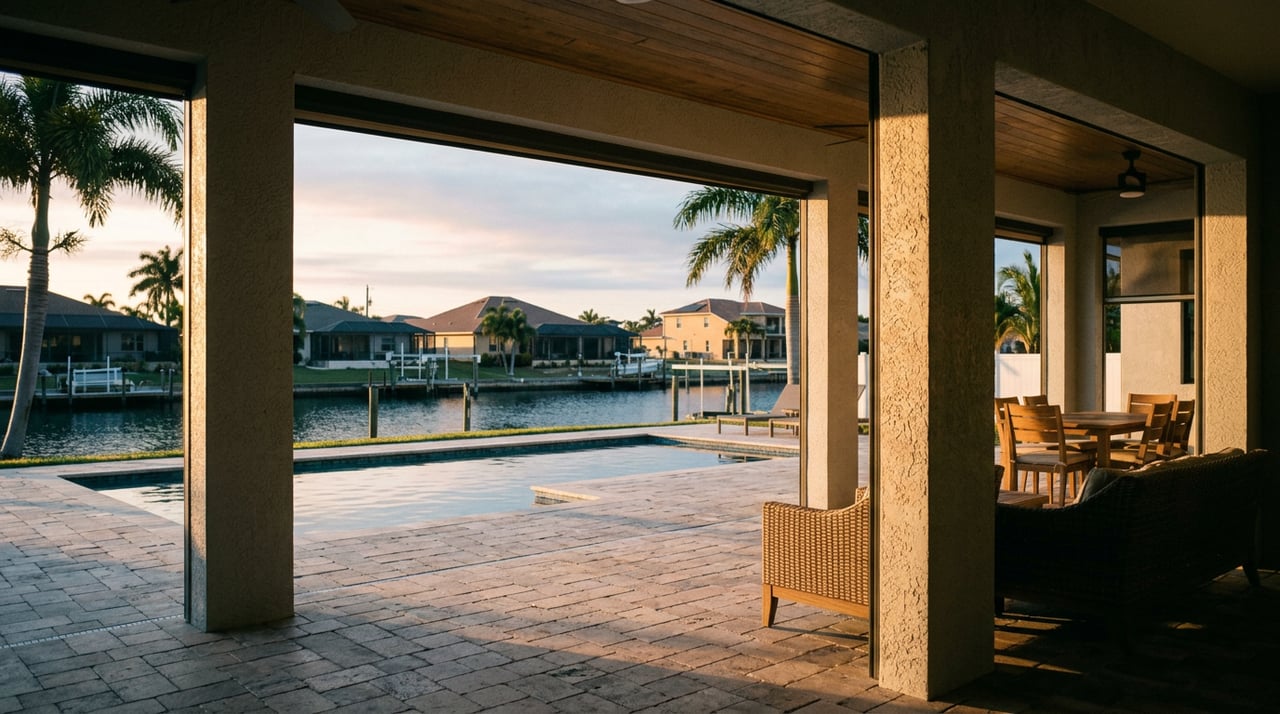
If boating access is part of why you want a waterfront home, look closely at what the dock can actually support. Bridge clearances vary across Sarasota's waterways, so a boat that fits comfortably from a Longboat Key dock might not clear a bridge on the way out from a canal home near Bird Key.
Dock permitting in Sarasota often involves both the Southwest Florida Water Management District and the Army Corps of Engineers, and requirements shift depending on the size and configuration of the structure.
Dock permitting in Sarasota often involves both the Southwest Florida Water Management District and the Army Corps of Engineers, and requirements shift depending on the size and configuration of the structure.
Questions to Answer Before You Count on the Dock
- What is the existing permit status for the dock, lift, and any seawall repairs?
- Are there fixed bridges between the property and open water, and what is their clearance?
- Is the dock rated for the size of boat you actually plan to keep there?
- Would any dock modifications require new permitting before you could use them?
Reviewing Disclosures, Permits, and Association Rules
Paperwork matters just as much as the physical inspection on a waterfront purchase, and it is often where problems hide that a walkthrough would never reveal. Reading every page carefully, rather than skimming for a signature line, matters because a single missed detail can turn into a costly surprise after closing.
Governing documents carry extra weight on the water, whether the property sits near Lido Key, Golden Gate Point, or Siesta Key, since they shape what you can actually do with the home once you own it.
Governing documents carry extra weight on the water, whether the property sits near Lido Key, Golden Gate Point, or Siesta Key, since they shape what you can actually do with the home once you own it.
Records to Pull Before You Close
- All seller disclosures related to flooding, storms, and structural repairs
- Open permit records with the county to confirm past work was properly closed out
- HOA or condo documents covering dock use, rentals, and exterior modifications
- Insurance claim history tied to the address, not just the current owner
FAQs
Do I really need a separate seawall inspection?
Yes, it is worth adding on every waterfront purchase. A general home inspector is not trained to evaluate a seawall's structural condition, and a repair can range from a minor patch to a very expensive full replacement.
How do I know if a property is in a high-risk flood zone?
Pulling the flood zone designation directly from the survey and elevation certificate, rather than relying on a general map, gives you and your insurer an accurate picture before you are locked into a price.
Can I add a dock if the property does not already have one?
Sometimes, but it depends on permitting through the water management district and, in some cases, the Army Corps of Engineers. Checking feasibility early matters before counting on future dock access.
Contact Melissa Gissinger Today
Waterfront living in Sarasota is worth the extra layer of diligence, and every buyer deserves to feel fully informed before they close. From the seawall to the dock to the flood zone paperwork, asking the right questions at every stage of the process makes a real difference.
If you are considering a waterfront property along Sarasota Bay or the barrier islands, reach out to me, Melissa Gissinger. I can help you evaluate the property with clear eyes, so you can enjoy the water with real confidence in what you bought.
If you are considering a waterfront property along Sarasota Bay or the barrier islands, reach out to me, Melissa Gissinger. I can help you evaluate the property with clear eyes, so you can enjoy the water with real confidence in what you bought.