8 Cost-Effective Best Ways to Make Your House More Energy Efficient

8 Cost-Effective Best Ways to Make Your House More Energy Efficient

  • Melissa Gissinger
  • February 6, 2025

8 Cost Effective Ways to Make Your House More Energy Efficient in Sarasota, FL

FPL's typical 2026 residential bill runs 136.64 dollars a month for 1,000 kilowatt-hours, and Sarasota's heavy air-conditioning season pushes many homes well above that. Sealing air leaks, switching to LED bulbs, and installing a programmable thermostat are the three cheapest fixes, often paying for themselves within a single summer of reduced cooling costs.

Planning to sell in Sarasota and wondering which efficiency upgrades actually pay back at resale? Get a free home valuation or read our related guide on smart upgrades that increase your home's value.
Energy efficiency is a practical, low-cost way to lower a monthly bill and reduce a home's environmental footprint, and homeowners often assume it requires a major investment. In Sarasota, where Florida Power and Light serves the vast majority of homes and air conditioning runs close to year-round, small fixes compound quickly. The eight strategies below range from a caulking gun to a thermostat swap, and none require a contractor to get started.

Upgrade

Why It Matters

Typical Savings

Sarasota Note

Seal Air Leaks

Stops conditioned air from escaping through gaps and cracks

Often 10 to 20 percent off heating and cooling costs

Highest-impact fix in a climate where AC runs most of the year

LED Lighting

Uses far less energy per bulb and lasts far longer

Up to 75 percent less energy than incandescent bulbs

Low upfront cost, fast payback in high-use rooms

Programmable Thermostat

Adjusts cooling automatically to an empty or sleeping home

Up to 10 percent off annual heating and cooling costs

Pairs well with FPL's on-call thermostat program

Insulation

Reduces heat gain through attic, walls, and floors

Meaningful reduction in AC run-time during summer

Attic insulation matters most in Florida's hot-climate zone

Window Treatments

Blocks solar heat gain during peak sun hours

Reduces AC load during the hottest part of the day

Especially useful on west and south-facing Gulf Coast exposures

HVAC Maintenance

Keeps the system from working harder than necessary

Prevents efficiency loss from clogged filters and ducts

Filters should be replaced every 1 to 3 months given Sarasota's humidity and pollen load

Unplug Electronics

Eliminates phantom power draw from idle devices

Modest but consistent monthly reduction

Smart power strips automate this without changing habits

Water Heater Optimization

Lowers energy used to maintain water temperature

Lower thermostat setting plus insulation reduces standby loss

120 degrees Fahrenheit is the Department of Energy's recommended setting

Eight Affordable Upgrades That Cut a Sarasota Electric Bill

Tip 01: Seal Air Leaks to Prevent Energy Loss

Sealing air leaks is one of the simplest, cheapest ways to improve a home's energy efficiency. Gaps around doors, windows, and vents let conditioned air escape and force the HVAC system to work harder, which matters most in a climate where the AC runs nearly year-round. Weatherstripping and caulk close these gaps for a small material cost.
  • Air sealing typically cuts 10 to 20 percent off a home's heating and cooling costs, per Department of Energy estimates
  • Common overlooked spots: baseboards, attic hatches, and electrical outlets
  • Door sweeps on exterior doors are a five-minute fix that noticeably reduces drafts
Seller note: air sealing is one of the few efficiency upgrades a buyer's home inspector can actually feel during a walkthrough on a hot day, which makes it worth doing before listing.

Tip 02: Upgrade to LED Lighting

Switching to LED bulbs is one of the fastest, cheapest efficiency upgrades available. LEDs use up to 75 percent less energy than incandescent bulbs and last far longer, which lowers both the electric bill and the replacement-bulb bill over time.
  • Start with high-use rooms first: kitchens, living rooms, and exterior fixtures
  • Smart LED bulbs add app or voice control at a modest premium over standard LEDs
  • Higher upfront cost per bulb is typically recovered through a much longer bulb lifespan
Buyer note: a home already converted to LED throughout is a small but real signal of an owner who kept up with routine maintenance and upgrades.

Tip 03: Install a Programmable Thermostat

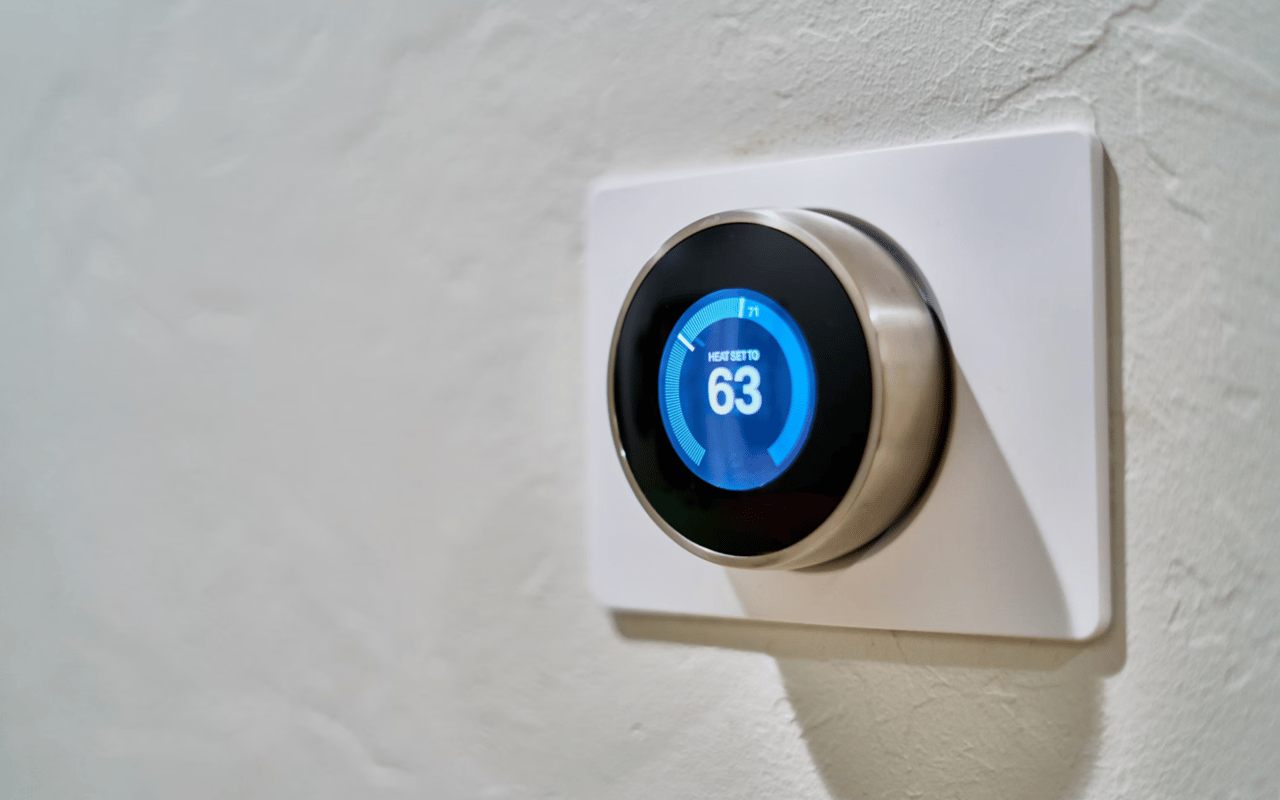
A programmable thermostat lets a homeowner match cooling to their actual schedule instead of running the AC at a constant setting all day. In Sarasota's climate, where cooling is the largest single line item on most electric bills, this is one of the highest-leverage small upgrades available.
  • Programmable and smart thermostats can save up to 10 percent a year on heating and cooling costs, per Department of Energy guidance
  • FPL offers an on-call thermostat program that adjusts settings during peak demand hours in exchange for bill credits
  • Learning thermostats track usage patterns and adjust automatically after the first one to two weeks
Seller note: a smart thermostat with usage history is an easy, inexpensive item to point to when a buyer asks about the home's typical utility costs.

Tip 04: Enhance Your Insulation

Insufficient insulation is one of the most common sources of energy loss in Florida homes, since it lets heat pour in during the summer and lets conditioned air escape year-round. Attic, wall, and floor insulation have the biggest overall impact on efficiency.
  • Attic insulation matters most in Florida's climate zone, since it sits directly under the roof surface absorbing the most solar heat
  • Spray foam and reflective barrier insulation are budget-friendly, DIY-accessible options for older Sarasota homes
  • Older homes built before modern energy codes often carry the largest efficiency gains from this single upgrade
Buyer note: ask for the age of attic insulation during due diligence. It degrades over time and is rarely visible without an inspection.

Tip 05: Use Energy Efficient Window Treatments

Windows are a major source of heat gain in a Gulf Coast home. Thermal curtains, blinds, and window film reduce the solar heat that enters during the hottest hours of the day, cutting how hard the AC has to work to compensate.
  • Closing blinds during peak midday sun and opening them for natural warmth in cooler months is a no-cost daily habit
  • West and south-facing rooms, common on Gulf Coast lots, see the largest benefit from solar window film
  • Thermal curtains add a layer of insulation at a fraction of the cost of window replacement
Seller note: staged, updated window treatments photograph well and double as a low-cost efficiency talking point during showings.

Tip 06: Clean and Maintain HVAC Systems

The HVAC system does the most work of any system in a Sarasota home, and routine maintenance keeps it running at its rated efficiency instead of losing capacity to dirt, clogs, and leaks.
  • Air filters should be replaced every 1 to 3 months, given Sarasota's humidity and seasonal pollen load
  • Sealed, properly insulated ductwork prevents conditioned air loss before it reaches a room
  • An annual professional inspection ahead of Florida's summer cooling season catches inefficiencies before peak bills hit
Buyer note: ask for HVAC service records. A well-documented maintenance history is a stronger signal than the unit's age alone.

Tip 07: Unplug Unused Electronics

Many devices continue drawing power even when switched off, a phenomenon known as phantom load. Chargers, coffee makers, and televisions left plugged in add up to a measurable amount on a monthly bill.
  • Smart power strips cut power automatically to idle devices without requiring a change in daily habits
  • Entertainment centers and home office setups are typically the largest phantom-load contributors in a home
  • This is a zero-cost habit change alongside a low-cost hardware option
Seller note: this upgrade has no visible impact on a showing, so it is worth doing for the seller's own bill rather than for buyer perception.

Tip 08: Optimize Your Water Heating

Water heating is a significant share of a home's energy use. Lowering the thermostat and reducing standby heat loss are both low-cost fixes that add up over a full year.
  • The Department of Energy recommends a water heater setting of 120 degrees Fahrenheit, which is hot enough for most household needs while reducing standby energy loss compared to factory-default settings often near 140 degrees
  • A water heater blanket is especially useful for units located in a garage or other unconditioned space
  • Insulating hot water pipes reduces heat loss between the tank and the tap
Buyer note: an insulated water heater and documented recent service date are small details worth asking about, since they indicate a proactively maintained system.
Weighing an efficiency upgrade against just selling and moving on? Melissa Gissinger helps Sarasota buyers and sellers weigh both sides of that decision. Browse current Sarasota homes for sale to compare efficiency features across active listings.

Frequently Asked Questions

How much does the average Sarasota home spend on electricity?

FPL's typical 2026 residential bill is 136.64 dollars a month for 1,000 kilowatt-hours of usage, effective under the rate settlement the Florida Public Service Commission approved in November 2025. Sarasota bills often run higher than that baseline during peak summer cooling months.

What is the single cheapest way to lower a Sarasota electric bill?

Sealing air leaks and switching to LED lighting are typically the two cheapest fixes, both achievable for under 50 dollars in materials, and both start reducing a bill immediately without any professional installation required.

Does FPL offer any energy efficiency programs or rebates?

Yes. FPL runs an on-call thermostat program that provides bill credits in exchange for allowing minor adjustments during peak demand hours, along with broader energy efficiency and conservation programs for residential customers.

Is it worth doing these upgrades if I am planning to sell soon?

The lowest-cost upgrades, air sealing, LED bulbs, and a programmable thermostat, are worth doing regardless, since they cost little and can be mentioned to buyers. Larger investments like new insulation or solar are worth weighing against a current home valuation before committing.

About Melissa Gissinger, Spot On Sarasota

Melissa Gissinger is a Sarasota-based REALTOR with Michael Saunders and Company, working with buyers and sellers across Sarasota, Siesta Key, and Longboat Key. Her background in interior design informs how she advises clients on which efficiency and comfort upgrades are worth prioritizing before a sale. Read more about Melissa and the Spot On Sarasota team.

*Header image courtesy of Unsplash

Work With Melissa

Get assistance in determining the current property value, crafting a competitive offer, writing and negotiating a contract, and much more. Contact Melissa today.

Follow Me on Instagram