If you are thinking about selling a vacation home on Siesta Key, timing, pricing, and preparation matter more than ever. Many owners picture eager buyers lining up for island property, but today’s market is more selective, and second-home shoppers are paying close attention to details. The good news is that with the right strategy, you can still stand out, protect your value, and make your home easier for buyers to say yes to. Let’s dive in.
Understand the Siesta Key market
Selling a vacation home on Siesta Key is different from selling in a fast-moving market. Realtor.com’s June 2026 snapshot shows 314 homes for sale, a median listing price of $1,095,000, median days on market of 121, and homes selling about 6.2% below asking on average. Zillow’s May 2026 data also points to a slower pace, with average home values around $825,072 and homes taking about 112 days to pending.
The exact numbers vary by source, but the takeaway is clear. Buyers have options, and they are comparing condition, location, usability, and price carefully. That means strong presentation is important, but realistic pricing is what keeps your listing from sitting.
Why pricing discipline matters
In a market with more inventory and longer market times, overpricing can cost you momentum. Vacation-home buyers often know the area well enough to compare your property against similar homes on the key, especially when they are also thinking about lifestyle, carrying costs, and future use. A price that reflects current competition can help generate better early interest.
This is especially important on Siesta Key, where buyers are not just buying square footage. They are buying beach access, coastal convenience, and a property that fits the way they want to spend time in Sarasota County. If the value story is not clear, many will simply move on to the next listing.
Time your listing around the island lifestyle
There is no single perfect month to list, but seasonality does shape buyer behavior on Siesta Key. Visit Sarasota County notes that peak season runs from December through March, with March traditionally being the busiest tourism month. It also notes that April through May and September through October can be less crowded while still appealing.
For sellers, this means you should think beyond a generic spring rule. The best listing window is often when your home looks its best, access is easier, and buyers can imagine the island lifestyle without too many showing obstacles. A bright, well-prepared property that feels easy to enjoy can make a stronger impression than one listed at a busier but less practical moment.
Match timing to your home’s condition
If your property has outdoor living areas, pool features, water views, or easy access to the beach, the timing of your launch should support those strengths. You want buyers to experience the home as polished, comfortable, and ready for seasonal use. That often means planning ahead for landscaping, maintenance, and professional photography.
If the home has been used part time or as a rental, your calendar matters just as much as your curb appeal. A listing is easier to show and market well when you are not constantly working around guest arrivals, departures, and turnover service.
Sort out rental and use rules early
One of the biggest differences between selling a Siesta Key vacation home and a typical mainland home is the buyer’s interest in future use. Sarasota County’s rental guide says barrier-island RMF properties can be rented for less than 30 days, while many other districts require at least 30-day leases. The same guide also says bed-and-breakfast use is prohibited in the Siesta Key Overlay District.
That matters because buyers often ask what they can do with the property after closing. If your home has a rental history, or if buyers are likely to consider occasional rental use, it helps to verify zoning, district rules, and any community restrictions before your listing goes live.
What buyers want clarified
Most second-home buyers want a clean, understandable picture of how the property has been used and what is allowed. They are not looking for vague promises. They want practical clarity.
Before listing, it helps to organize:
- rental history
- HOA or condo rules, if applicable
- zoning or district use details relevant to the property
- a clear list of what conveys with the sale
- records for updates, repairs, or improvements
This kind of preparation reduces confusion and helps support smoother conversations once buyers start asking questions.
Prepare for flood and insurance questions
Flood and storm risk are part of the Siesta Key market, and buyers know it. Sarasota County says the area is susceptible to coastal, riverine, and urban flooding from heavy rain, tropical storms, hurricanes, and storm surge. The county also notes that most homeowners insurance does not cover flood damage.
For a seller, this does not mean leading with fear. It means being ready with organized information. When buyers feel that the insurance and flood picture is understandable, your home can feel more manageable and less uncertain.
Have insurance information ready
Sarasota County also warns that flood insurance often has a 30-day waiting period. That detail can matter to out-of-state buyers and second-home shoppers who may be less familiar with coastal planning. If your current policy details, elevation-related information, or prior insurance documents are easy to review, buyers may feel more confident moving forward.
A well-prepared seller is not just presenting a beautiful home. You are also presenting a more complete ownership story.
Make showings easy on the key
Showing logistics on Siesta Key take more planning than many mainland listings. Sarasota County’s 77 Siesta Islander trolley connects downtown Sarasota, Siesta Key Village, Siesta Beach, South Village, and Turtle Beach Park & Campground, and it runs daily at no fare. Visit Sarasota County also notes that parking on the key is a mix of free and paid lots, and some beach access points have no parking or very limited parking.
That may sound small, but convenience shapes buyer experience. If an open house or showing feels difficult to reach, rushed, or confusing, it can affect the tone before a buyer even walks through the front door.
Plan for access and arrival
A thoughtful showing plan should account for where buyers park, the easiest route to the property, and when traffic is likely to be lighter. This is especially important if your home is near village activity, beach access points, or popular visitor areas. Smooth logistics help your showing feel more polished from the start.
If the property is tenant occupied or still in occasional use, this planning becomes even more important. You want the home to be easy to enter, spotless on arrival, and calm enough for buyers to take their time.
Present a turnkey coastal experience
On Siesta Key, presentation is about more than tidying up. Florida Realtors’ high-end marketing guidance emphasizes understanding the property’s story, comparing it against nearby homes based on condition and features, and using polished assets such as professional photography, drone footage, video reels, immaculate staging, and broker opens.
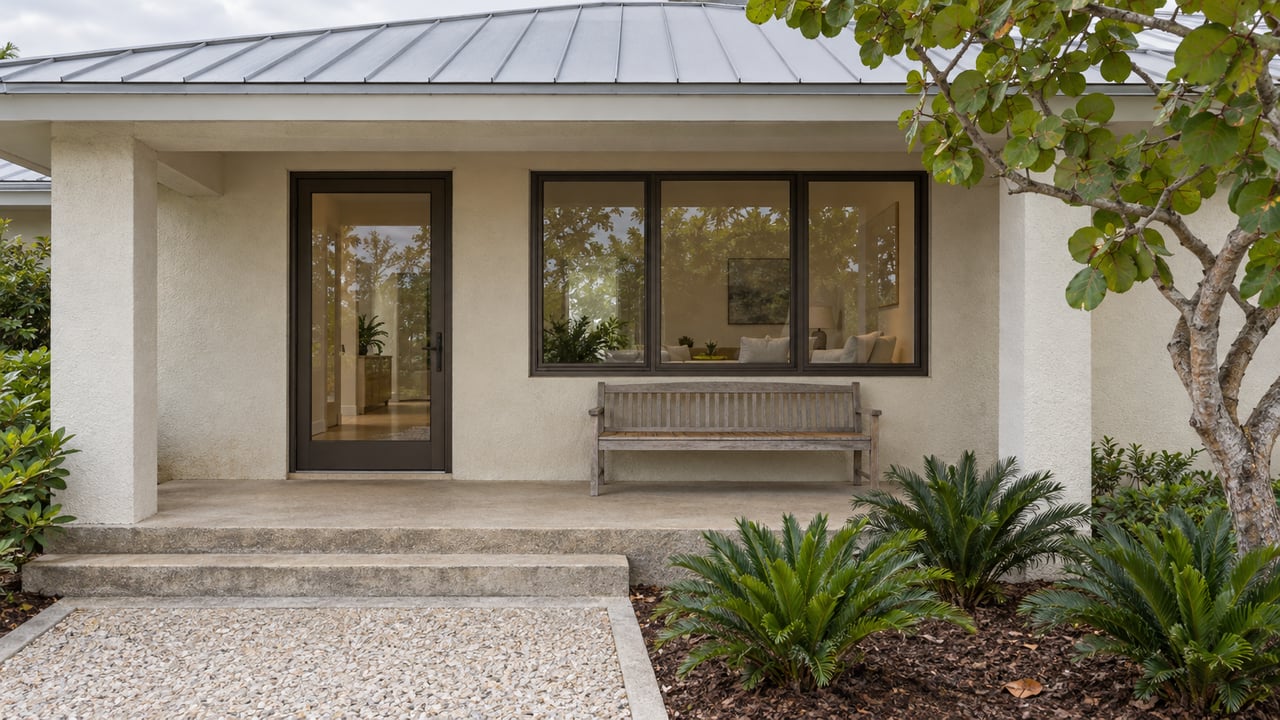
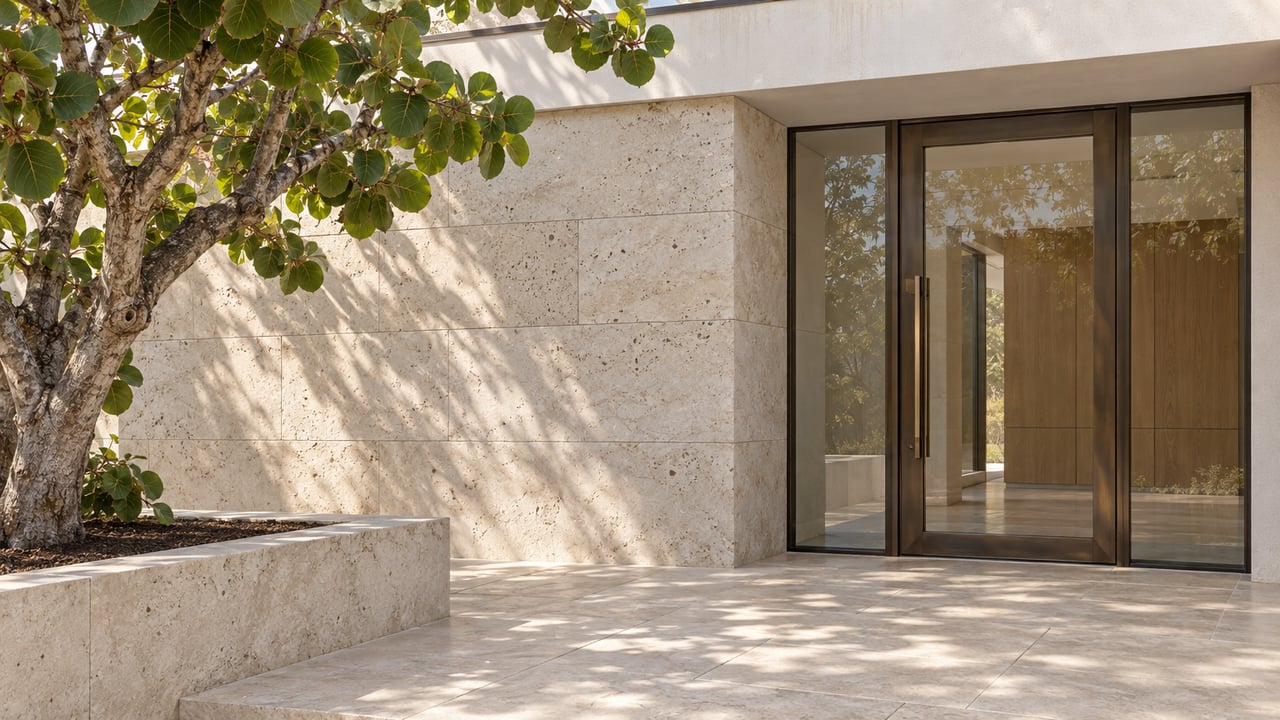
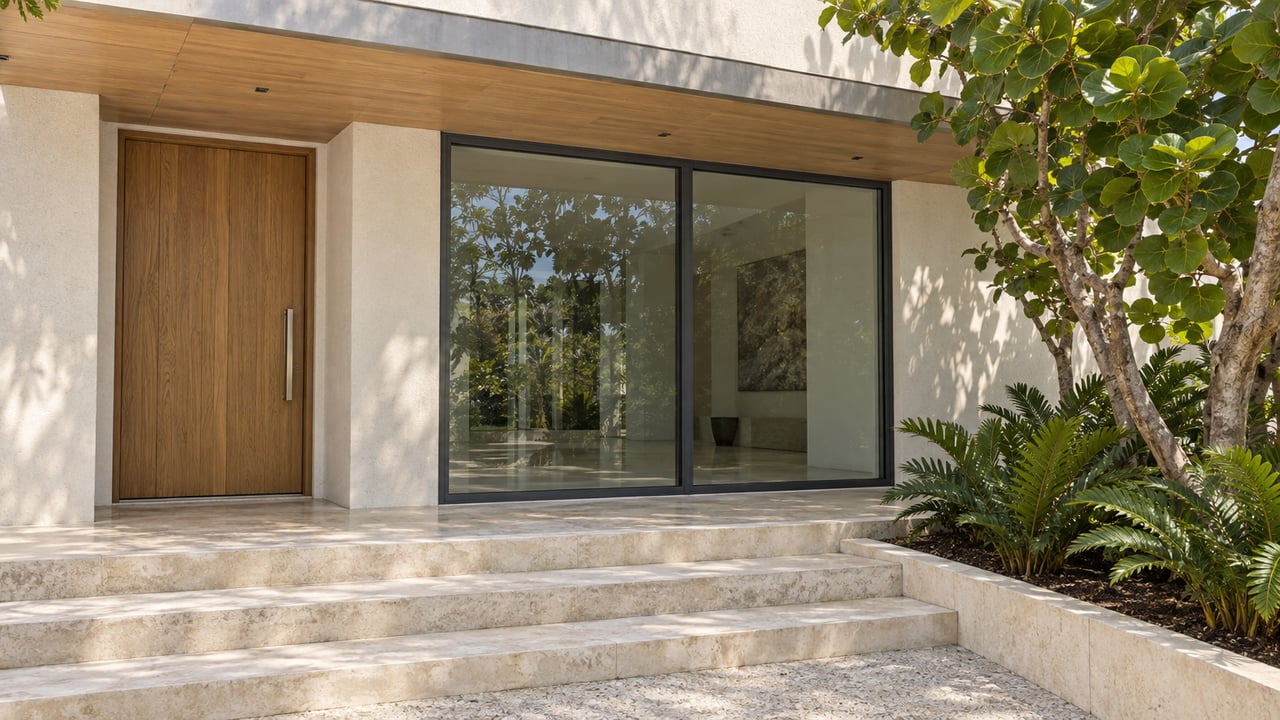
For a vacation home, that means buyers should see a refined coastal retreat they can step into, not a personal space filled with day-to-day clutter. Your goal is to help them picture effortless ownership.
Focus on visual calm
A part-time-used home can collect more signs of active living than owners realize. Extra storage bins, beach gear, owner closets, and leftover seasonal supplies can distract from the architecture, light, and layout. Clearing these items out can make the home feel larger, cleaner, and easier to adopt.
Melissa Gissinger’s design background is especially valuable here. Thoughtful presentation can highlight how a room lives, where the natural light falls, and which features make the property feel distinct in a competitive coastal market.
Use a practical prep checklist
Before your listing photography and first showings, focus on the basics that make a vacation home feel simple and move-in ready:
- remove personal items and excess decor
- coordinate cleaners around showing availability
- schedule lawn, pool, pest, and repair vendors in advance
- organize maintenance and improvement records
- create a clear list of included furnishings or accessories, if applicable
- make sure the home can be shown on short notice
These steps help your property feel more like a polished offering and less like a home that is still mid-season.
Highlight the Siesta Key lifestyle carefully
Lifestyle is a major part of the value of a vacation home, and Siesta Beach remains one of the area’s best-known draws. Visit Sarasota County describes it as one of the area’s marquee attractions and notes that as of February 2025, it ranked #1 in the U.S. and #4 in the world in Tripadvisor’s Travelers’ Choice Awards.
That kind of recognition matters because many buyers are drawn to the full island experience. They may be looking for a property that supports beach days, seasonal stays, and easy access to local amenities. When your marketing reflects that lifestyle clearly and factually, it helps buyers connect the property to the reasons they wanted Siesta Key in the first place.
Build your selling strategy around clarity
In this market, the best results usually come from a combination of smart pricing, strong visuals, clean documentation, and easy showing access. Siesta Key buyers are often thoughtful and selective, especially when purchasing a second home from out of state or balancing personal use with occasional rental goals. The more questions you answer upfront, the easier it becomes for buyers to move from interest to action.
Selling a vacation home here is not just about putting a property online and waiting. It is about presenting a complete and credible picture of value, lifestyle, and ownership. That is where local insight and detail-oriented planning can make a real difference.
If you are preparing to sell a vacation home on Siesta Key, a tailored strategy can help you avoid common slowdowns and position your property more effectively. For thoughtful guidance on pricing, presentation, and marketing, connect with Melissa Gissinger.
FAQs
What is the current market like for selling a vacation home on Siesta Key?
- Current data points to a slower, more selective market with higher inventory, longer days on market, and average sale prices coming in below asking, which makes pricing and presentation especially important.
When is the best time to list a vacation home on Siesta Key?
- Peak visitor season is December through March, while April through May and September through October can also be appealing, so the best time often depends on when your property shows well and is easiest for buyers to experience.
Do Siesta Key vacation-home buyers ask about rental rules?
- Yes, many buyers want to understand how the property can be used after closing, so it is helpful to verify zoning, rental rules, and any HOA or condo restrictions before listing.
Why do flood-insurance details matter when selling on Siesta Key?
- Buyers often want clarity about flood exposure and insurance because Sarasota County notes that most homeowners insurance does not cover flood damage and flood insurance often has a 30-day waiting period.
How should you prepare a part-time-used home for sale on Siesta Key?
- Start by removing personal items, coordinating service vendors, organizing records, clarifying what conveys with the property, and making the home easy to show on short notice.